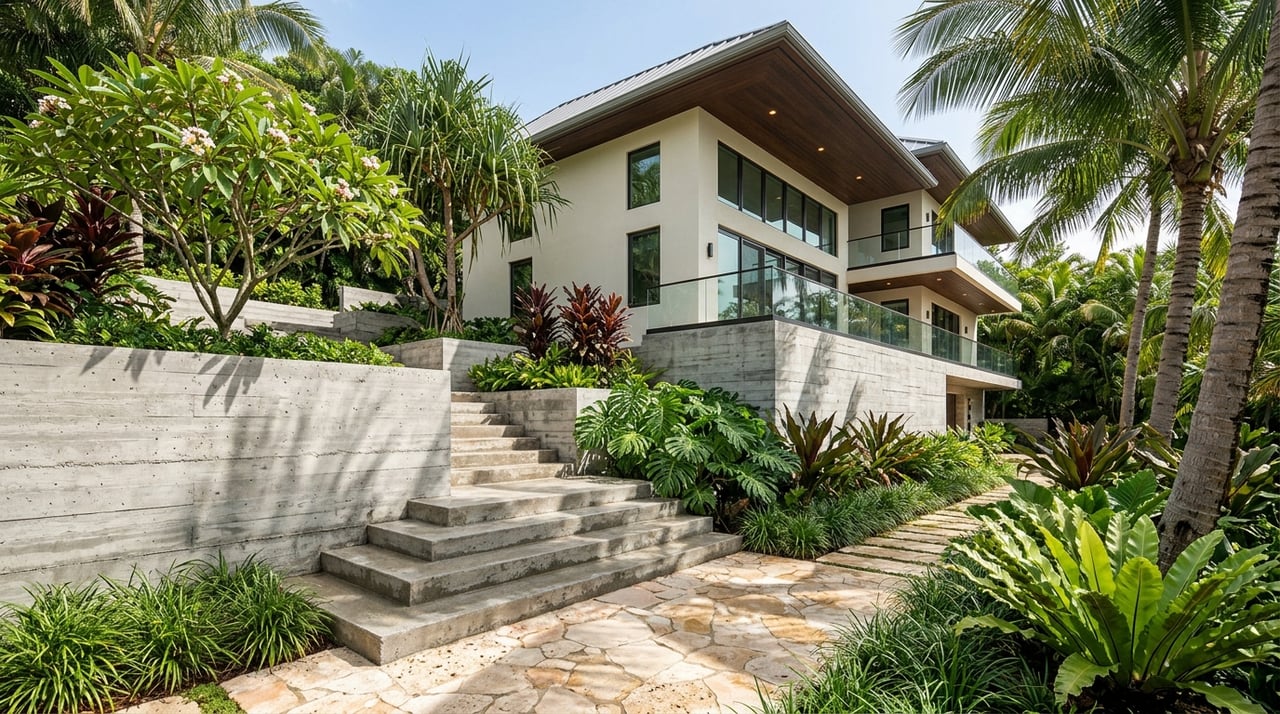
Waialae Nui Valley vs Kahala Homes: Which Fits You?
July 9, 2026
July 9, 2026
If you are deciding between Waialae Nui Valley and Kahala, you are really choosing between two different ways of living in the same broader Honolulu area. One side offers hillside streets, elevation, and wider view potential. The other puts you closer to flatter roads, coastal access, and a classic beachside feel. If you want a clearer way to compare the tradeoffs, you are in the right place. Let’s dive in.
Waialae-Kahala sits on the eastern edge of Honolulu’s Primary Urban Center. Official planning materials place the neighborhood boundary from the Koʻolau crest down to the shoreline, covering both the mauka and makai parts of the area.
In practical terms, Waialae Nui Valley is the hillside side of the neighborhood, while Kahala is the coastal side. That mauka-to-makai contrast shapes how each area feels day to day, from climate to lot layout to how quickly you can get to the beach or run errands.
The area also remains relatively intimate in scale. Honolulu neighborhood-area data lists Waialae-Kahala at 9,039 residents and 3,584 households, which helps explain why both sections can feel established and residential rather than overly busy.
Waialae Nui Valley tends to appeal to buyers who like a more tucked-away setting. Because it sits higher up the slope, it often feels more layered and topographically varied than lower coastal streets.
You may notice more curves, elevation changes, and homes positioned to take advantage of the terrain. Some local descriptions also point to ridge homes, small gated enclaves, and lots that can be sloped or tiered rather than uniform.
That hillside setting can create a stronger sense of separation from the flatter parts of the neighborhood. If you enjoy a residential setting that feels a little more removed while still staying connected to Honolulu, Waialae Nui Valley often stands out.
One of the biggest differences in Waialae Nui Valley is the land itself. Sloping or tiered lots can offer broad views, but they can also mean more stairs, split-level layouts, or outdoor spaces shaped by the hillside.
For some buyers, that is a major plus. For others, it is a practical point to think through carefully, especially if you want level yard space or easy movement from street to front door.
City planning materials describe mauka residential neighborhoods in this area as largely made up of single-family and townhouse dwellings, with low building coverage, landscaped yards, and one- or two-story profiles. That general pattern fits the Waialae Nui side well.
There are also townhome and apartment pockets. Waialae Gardens, for example, has been described as an older townhome and apartment community on 10 acres near Kilauea Avenue, which adds another housing option within the hillside section.
Kahala offers a different experience. It is generally flatter, more coastal, and closely tied to beach access and the well-known residential streets near the shoreline.
Local profiles describe Kahala as having generous lot sizes and a more classic coastal residential pattern. The area is also known for large homes on sprawling grounds, along with public access to quiet beaches along the coast.
If your ideal daily routine includes flatter walks, easier beach proximity, and a strong connection to the shoreline, Kahala often checks those boxes. It still feels residential, but the landscape is less steep and the streetscape is usually easier to navigate on foot or by car.
For many buyers, Kahala’s flatter terrain is one of its biggest advantages. Compared with hillside streets in Waialae Nui Valley, the roads and lots in Kahala are generally easier to navigate.
That can matter in simple everyday ways. You may find it easier to bike, walk, carry groceries, or move between home and nearby coastal spots when the terrain is more level.
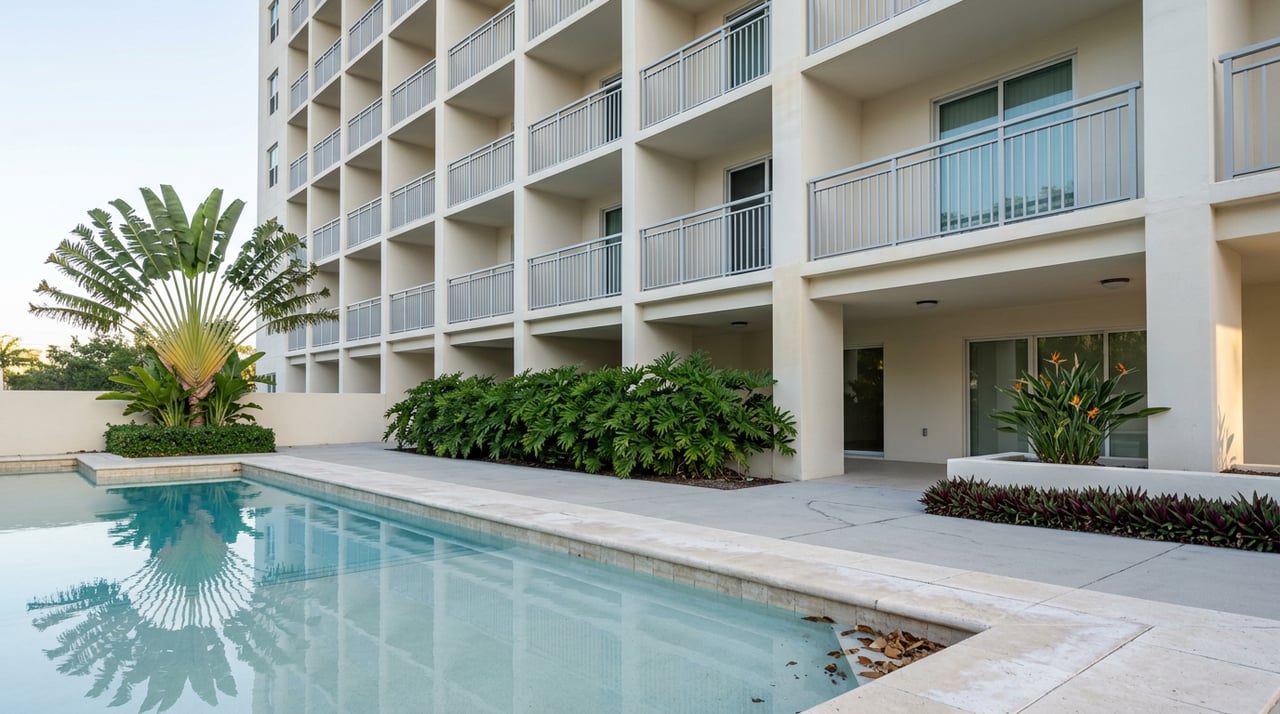
Kahala is widely associated with coastal single-family homes, but it is not only detached houses. The neighborhood also includes some higher-density pockets along Waialae Avenue, including residential high-rises such as Kahala Towers, Regency at Kahala, and Regency Park.
That means Kahala can offer more than one type of housing experience. If you want the Kahala location but not necessarily a large single-family property, those pockets may broaden the options within the neighborhood.
Even within the same larger area, the climate can feel a little different from mauka to makai. Hawaiʻi’s climate is mild year-round, but NOAA notes that terrain strongly affects local wind and rainfall patterns, and temperature generally drops about 3 degrees Fahrenheit for every 1,000 feet of elevation.
That matters when comparing Waialae Nui Valley and Kahala. Waialae Nui Valley is more likely to feel breezier and slightly cooler, especially when northeast trade winds are active.
Kahala, being lower and coastal, may feel less topographically variable from street to street. The Rainfall Atlas of Hawaiʻi also supports the idea that ridges and slopes create distinct rainfall patterns, so the hillside environment can bring more variation in everyday conditions.
If breeze is high on your list, Waialae Nui Valley usually has the edge. Elevation and terrain make it more likely to catch wind and feel a bit cooler than lower coastal streets.
That said, the tradeoff is that a breezier setting can also come with a stronger hillside feel overall. Your comfort with wind exposure, slope, and elevation often goes hand in hand.
Both areas are convenient, but the experience is a little different. Waialae Nui Valley tends to feel close to everyday needs while still being slightly tucked away.
Local coverage notes that Waialae Gardens is within walking distance of Kahala Mall and Waialae Avenue shops and restaurants, with easy freeway access and nearby bus stops. So even on the hillside side, you are not cut off from daily essentials.
Kahala brings those conveniences even closer to the foreground. Kahala Mall describes itself as a shopping, dining, and entertainment destination, and it includes Whole Foods on site.
Many of the area’s everyday destinations cluster around Kahala Mall, Waialae Avenue, Kahala Avenue, and the Waialae Country Club and beach corridor. That concentration can make Kahala feel more immediately connected to errands and leisure stops.
Waialae Nui Valley still benefits from that same broader amenity base. The key difference is that you may trade a little extra drive time up the hill for more elevation, view potential, and a quieter tucked-away feel.
If you are comparing these two areas, it often comes down to how you want your home to feel every day. Neither is universally better. The right fit depends on which tradeoffs matter most to you.
Waialae Nui Valley may be a better match if you value:
Kahala may be a better match if you value:
When you tour homes in either area, pay attention to more than square footage or finishes. In Waialae Nui Valley, notice the slope of the driveway, the number of stairs, wind exposure, and how the lot is laid out.
In Kahala, focus on how close you want to be to the shoreline, major streets, and nearby amenities. Also consider whether you prefer a large single-family setting or one of the higher-density pockets along Waialae Avenue.
The best comparison usually comes from seeing both settings back to back. Once you move through each neighborhood in real time, the hillside-versus-coastal difference often becomes much easier to feel.
If you want help comparing Waialae Nui Valley and Kahala based on your goals, lifestyle, or property type, connect with Chelsey Flanagan. With deep local experience across southeast Oʻahu, Chelsey can help you narrow the tradeoffs and find the right fit with confidence.
Stay up to date on the latest real estate trends.
From personalized search criteria, email updates for new or changed listings, community and school demographics, satellite map searches to free market reports, forms, and updated real estate news. Feel free to contact me and I will be happy to help you with all your real estate needs.