Preparing An Older Manoa Home For Today’s Buyers
June 18, 2026
June 18, 2026
Wondering how much you should fix before listing an older Mānoa home? You are not alone. Many sellers want to protect the charm that makes these homes special while still meeting what today’s buyers expect. The good news is that you do not need to turn a classic house into a generic remodel to make it market-ready. With the right priorities, you can focus on the updates that matter most, preserve the details buyers love, and present your home with confidence. Let’s dive in.
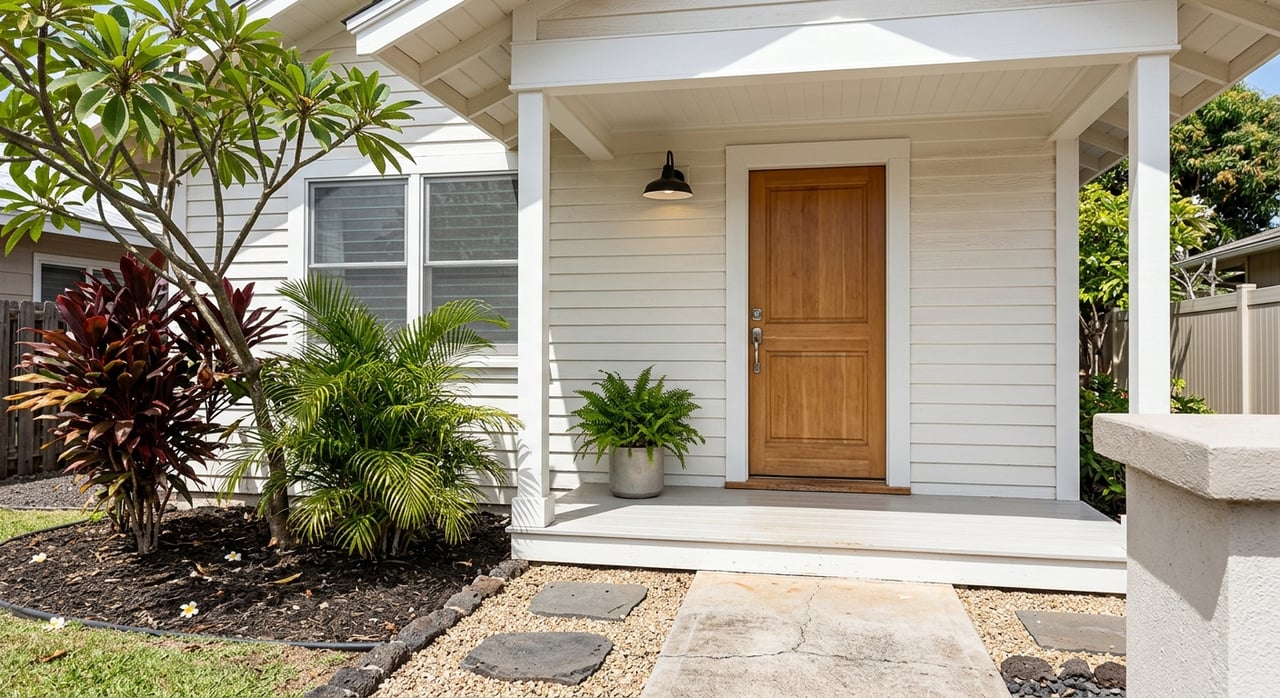
Mānoa has one of Oʻahu’s strongest collections of historic residential architecture. Historic Hawaiʻi Foundation notes that the neighborhood includes a large concentration of historic residences, including 1920s Craftsman and Hawaiian-style homes with features like wide eaves, casement windows, built-ins, lava rock, and indoor-outdoor living elements.
That character is a real asset when you sell. Buyers are often drawn to Mānoa because the homes feel distinct and rooted in place. In a market where buyers are selective, that originality can help your property stand apart when it is paired with solid condition and clear upkeep.
In Mānoa, moisture is not a small issue. Harold L. Lyon Arboretum reports average annual rainfall of 165 inches in upper Mānoa, which means leaks, damp materials, drainage problems, and poor airflow can quickly become buyer concerns.
Before you think about paint colors or decorative updates, look closely at the basics. Buyers want to know the home feels dry, healthy, and manageable in a wet climate. That usually means checking for roof leaks, clogged gutters, poor grading, damp storage areas, and any signs of mold or musty air.
The EPA and CDC both point to leaks, wet materials, and high humidity as key drivers of mold growth. The CDC advises keeping indoor humidity at or below 50 percent, while the EPA recommends drying wet areas quickly, maintaining gutters, and making sure water drains away from the structure.
Termites deserve their own line item in an older Mānoa home. The University of Hawaiʻi Termite Project identifies the Formosan subterranean termite as the state’s most damaging insect pest, and Hawaii has multiple termite species that can affect homes.
If there is visible wood damage, past treatment history, or any concern about activity, bring in a licensed pest professional early. EPA guidance also supports keeping foundations dry, fixing leaks, and avoiding wood debris near the home. For buyers, termite attention signals that you have been proactive about stewardship rather than reactive about problems.
If your home was built before 1978, lead awareness matters. EPA rules say sellers of most pre-1978 housing must disclose known lead-based paint hazards and give buyers a 10-day opportunity to test.
This does not mean every older home has a major issue. It does mean you should be organized. If renovation work will disturb painted surfaces before listing, use lead-safe certified contractors so the work is handled properly.
One of the biggest mistakes you can make is overcorrecting. In Mānoa, buyers often respond to architectural character as much as square footage or finishes. Original woodwork, built-ins, casement windows, eaves, lanais, and other defining elements can be part of the home’s appeal.
Instead of stripping those features out, improve around them. Refresh worn surfaces, repair what is not functioning well, and make the home feel cleaner, brighter, and easier to maintain. That approach aligns with preservation-minded rehabilitation guidance for historic properties.
Today’s buyers want to picture daily life in the home. That becomes harder when rooms feel crowded, overly personalized, or visually busy. A simpler presentation helps buyers focus on the architecture, natural light, and layout.
The National Association of Realtors’ 2025 staging report found that 83 percent of buyers’ agents said staging made it easier for buyers to visualize a property as a future home. Sellers’ agents also most often recommended decluttering, cleaning, and improving curb appeal.
If your budget is limited, prioritize the spaces buyers pay the most attention to first. According to the same staging report, the living room, primary bedroom, and kitchen were the most important rooms to stage.
For an older Mānoa home, that often means creating a bright, calm, move-in-ready feel before photos are taken. Clean counters, edited furniture, fresh bedding, better lighting, and crisp presentation can do more for market appeal than a rushed full remodel.
If you are trying to decide what must get done before listing, start here:
These items affect buyer confidence right away. They also shape how inspectors, lenders, and buyers view the overall condition of the property.
If funds are limited after the essentials, consider updates that improve presentation without erasing character:
The goal is not to make the house look brand new. The goal is to help it feel cared for, functional, and easy to understand.
Some exterior work may require more than a contractor visit. Honolulu’s Department of Planning and Permitting says a grading permit is required for some projects involving drainage pattern changes or larger cut-and-fill work. On steeper sites, additional soils or slope-hazard reports may also be needed.
That matters in Mānoa, where slope, runoff, and drainage are part of real property planning. If your pre-listing work includes changing grading or redirecting water, confirm whether review is needed before work begins.
If your property is historic or potentially historic, check that status before making exterior changes. The State Historic Preservation Division says properties 50 years or older can qualify as historic properties, and listed properties are subject to review for alterations.
Changes to historic buildings should follow the Secretary of the Interior’s Standards. In practical terms, that means you should verify the rules before replacing exterior details, changing windows, or altering visible architectural features.
A well-prepared listing usually follows a clear sequence. That matters even more in a selective market. The Honolulu Board of REALTORS reported that in April 2026, the Oʻahu single-family median sales price was $1,150,000, median days on market was 24, and buyers were increasingly selective based on pricing and how well a home matched current expectations.
A smart seller workflow usually looks like this:
For many older Mānoa homes, the vendor team may include a general contractor, roofer, pest professional, painter, and stager. If the property may involve historic review, preservation professionals or architectural historians may also be useful depending on the scope of work.
Documentation can help your home feel more trustworthy. Buyers often want to know what was repaired, what was replaced, what was treated, and what was simply refreshed.
Keep records for major maintenance and pre-listing work, including:
When buyers can see a clear maintenance story, they may feel more comfortable making a strong offer. For an older home, that clarity can be just as valuable as a cosmetic update.
The strongest older Mānoa listings usually do not feel overly remodeled. They feel repaired, documented, and true to the house. Buyers want to see that the property’s charm has been respected and that the systems behind it have not been ignored.
If you are getting ready to sell, the best strategy is often simple. Fix what affects condition and confidence first, preserve the details that give the home identity, and present everything in a clean, bright, and organized way. That is how an older Mānoa home can meet today’s buyers without losing what makes it special.
If you are thinking about selling and want a practical plan for preparing your home, Chelsey Flanagan can help you prioritize updates, coordinate presentation, and bring your Mānoa property to market with local insight and care.
Stay up to date on the latest real estate trends.
From personalized search criteria, email updates for new or changed listings, community and school demographics, satellite map searches to free market reports, forms, and updated real estate news. Feel free to contact me and I will be happy to help you with all your real estate needs.