Is Mānoa Right For You? Yard, Commute, Climate Tradeoffs
December 18, 2025
December 18, 2025
Love the idea of a leafy Honolulu home but not sure about the tradeoffs that come with valley living? In Mānoa, you get mature trees, cooler air, and quick access to town, but you also take on steady yardwork, more rain, and a commute that runs through a single main corridor. This guide breaks down housing types, lot patterns, commute realities, and the microclimate so you can decide with confidence. Let’s dive in.
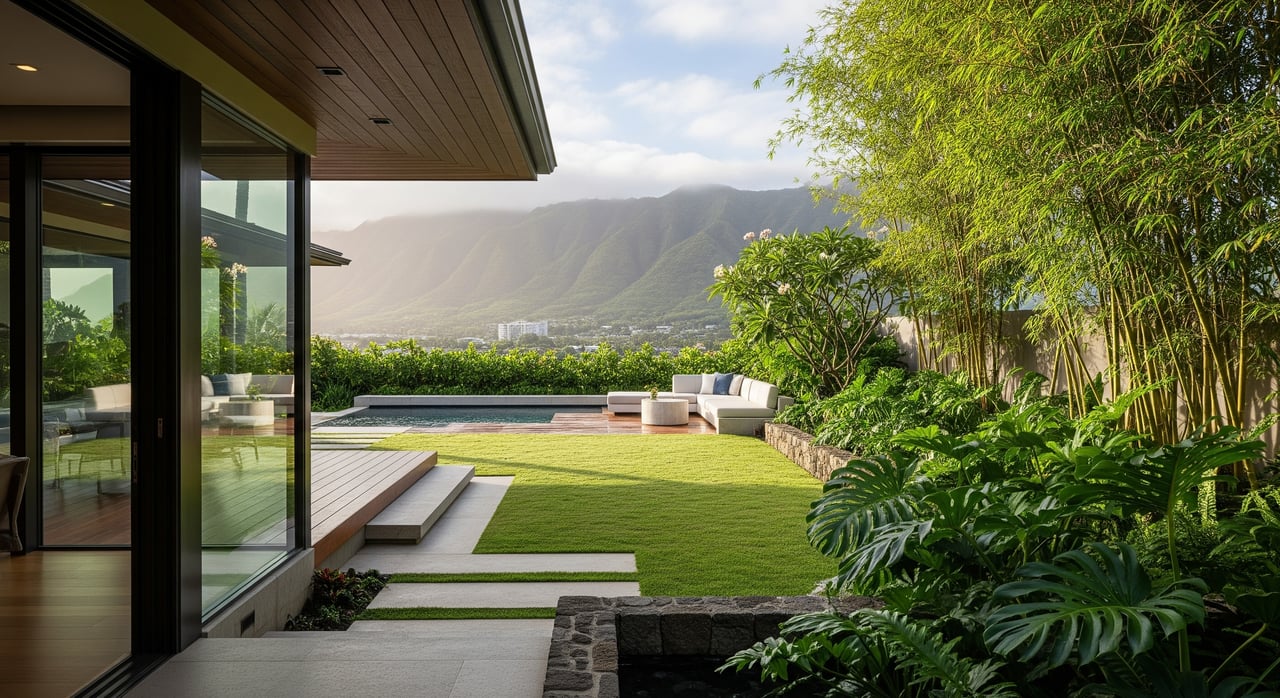
Mānoa is a narrow, steep valley just inland from urban Honolulu. You’ll see older single-family streets, a cluster of condos and small apartments near the University of Hawaiʻi at Mānoa, and thick greenery up the slopes. The result is a quiet, residential feel with tropical shade and birdsong.
That green beauty comes from a cooler, wetter microclimate compared to coastal Honolulu. Expect frequent showers, misty mornings, and fast-growing landscaping. Inside the valley, you’ll find neighborhood conveniences, but larger retail usually means a short drive out of Mānoa.
Near the valley floor and the university, you’ll find smaller urban lots with tighter setbacks. Many homes are plantation-era cottages or mid-century houses with modest footprints and mature trees. You can walk to shops and bus stops more easily here, but private lawn space is limited.
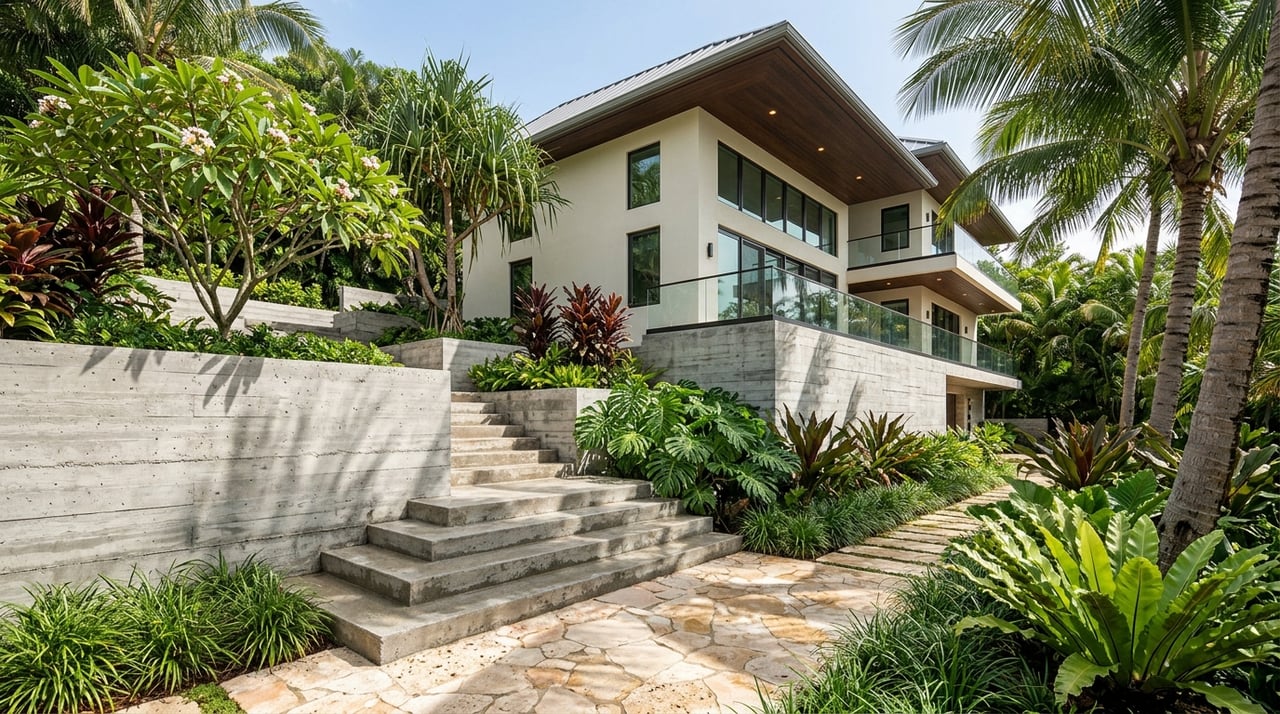
Higher up the valley, lots tend to be larger and more sloped. Homes often feel more private, with bigger outdoor areas, terraces, and retaining walls. You trade walkability for space and greenery, and you should plan for more landscape care and slope-management costs.
Closer to Mānoa Road and the university, smaller apartment buildings, condos, and duplexes reduce your yard responsibilities. You’ll likely gain proximity to daily needs and transit. You may, however, experience more street activity and pedestrian noise.
Flat lawns are less common on hillside parcels. Many homes use terraced yards, retaining walls, and sloped lawns to carve out usable areas. Covered lanais are common and help you enjoy the outdoors even during frequent showers.
Older homes here often need upgrades that manage moisture and pests. Plan for improved ventilation, proper flashing, and routine termite prevention. On sloped lots, retaining walls, drainage systems, and slope stabilization can be significant line items. Roofs and gutters also see more wear in wet conditions and may need attention more often than in drier neighborhoods.
Downtown Honolulu is only a few miles away, but time of day matters. Off-peak drives can be quick, while morning and evening peaks often slow due to bottlenecks on the valley’s main corridor. Rain can add delay, and reaching highways usually requires a short drive through adjacent neighborhoods.
TheBus serves Mānoa with routes that connect to downtown and the Kapiʻolani/University area. Service is typically more frequent around commuting hours and the university schedule. Walkability is highest along lower Mānoa Road, while uphill streets and grades make some walks and bike rides strenuous. Many residents use e-bikes to flatten the climb.
Street parking tightens near the university and around commercial pockets. Many homes have driveways or garages, but guest parking can be limited in tighter streetscapes. Steep driveways and narrow roads can be a factor for larger vehicles and deliveries.
Trade winds and valley topography lift moist air, which leads to frequent showers and higher rainfall than coastal Honolulu. You’ll often feel slightly cooler daytime highs with higher humidity, especially under the tree canopy. The upper valley and windward-facing slopes tend to be wetter than the valley mouth.
Vegetation grows quickly year-round. Expect more frequent pruning, mowing, and debris cleanup. Leaf litter and branches accumulate fast, which adds to gutter maintenance and yard care.
Moisture management is essential. Look for signs of mold or mildew and budget for regular ventilation, dehumidification, and maintenance of exterior finishes. Clean gutters often, ensure downspouts are routed correctly, and keep surface drainage moving away from the home. Plan for periodic termite inspections and touch-ups to paint and wood finishes that weather faster in this environment.
Mānoa Stream runs through the valley, and heavy rains can produce localized flooding in low-lying areas. It is prudent to review flood maps and seller disclosures when evaluating a home. On steeper parcels, consider whether a geotechnical review is appropriate for larger renovations. For any major landscaping or structural changes on slopes, permits and engineered plans are typically required. You should also review your insurance options to understand any flood or landslide-related coverage.
Lower Mānoa has neighborhood shops and essentials for day-to-day needs. For big-box retail or a wider store selection, plan on a short drive. The valley’s layout means errands can be close by even if the valley itself feels tucked away.
You are close to some of Honolulu’s best green escapes. Trailheads near the Mānoa Falls area and the Lyon Arboretum entrance offer lush scenery and shaded walks. Neighborhood parks and playgrounds provide easy options for quick outdoor time.
Around the university and along Mānoa Road, you may notice more activity, especially when classes are in session and during events. Traffic patterns and transit ridership can vary with the academic calendar, which is helpful to keep in mind when timing commutes.
Use this list at showings or while narrowing your search.
Mānoa tends to suit buyers who want a green, residential setting close to central Honolulu and are comfortable with ongoing landscape and moisture-related upkeep. If you value privacy, shade, and a cooler feel, you will likely appreciate the valley lifestyle.
It may not be the best fit if you want very low-maintenance yards, large flat lawns without terraces, constant sunshine, or completely predictable commute times. Walking through options across the lower and upper valley will help you calibrate what feels right.
If you are weighing a home purchase, a longer-term rental, or a future sale in Mānoa, you do not have to navigate these tradeoffs alone. For local guidance grounded in decades of Honolulu experience, reach out to Chelsey Flanagan. Let’s connect and map a plan that fits how you want to live.
Stay up to date on the latest real estate trends.
From personalized search criteria, email updates for new or changed listings, community and school demographics, satellite map searches to free market reports, forms, and updated real estate news. Feel free to contact me and I will be happy to help you with all your real estate needs.