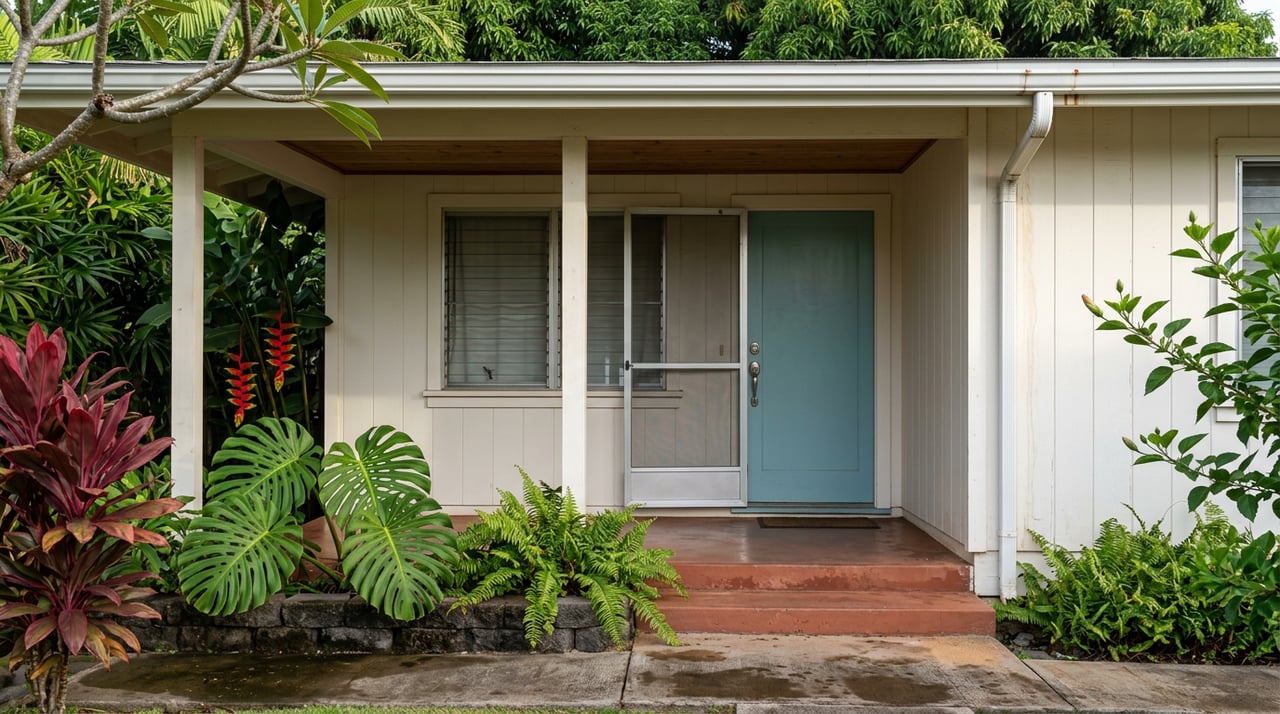
Mānoa Vintage Home Buying Tips for Older Valley Homes
March 5, 2026
March 5, 2026
Love the look of a classic Mānoa bungalow or a graceful Dickey‑roof home but worry what age means for upkeep and budget? You are not alone. Many buyers fall for Mānoa’s timeless character and cool valley vibe, then wonder how to balance charm with real costs. In this guide, you will learn what “old” really means in Mānoa, what to inspect first, realistic cost ranges, and smart ways to negotiate so you protect your investment without losing the home you love. Let’s dive in.
Mānoa has one of Oʻahu’s richest collections of historic homes. Many were built in the 1920s to 1940s, with Craftsman details, island‑adapted Dickey roofs, and mid‑century or plantation‑era single‑wall homes mixed in. Local preservation groups highlight the valley’s concentration of 1920–1940 residences and ongoing pressure from teardowns and infill. You can see this history reflected in the street mix and architectural details that set the neighborhood apart from newer tracts. For background, explore this overview of Mānoa’s historic residences.
When you tour, expect to see a few recurring features. Dickey roofs with deep eaves help with sun and rain. Jalousie windows, tongue‑and‑groove or single‑wall construction, and canec or plaster ceilings show up in pre‑1970 homes. These give real character, but they also change how you plan upgrades, moisture management, and energy use. For context on single‑wall construction in Hawaiʻi, see this guide to single‑wall homes.
Mānoa’s microclimates are real. Upper Mānoa near Lyon Arboretum is much wetter than lower‑valley blocks closer to town. The arboretum reports about 165 inches of rain a year at its site, which shows how moisture exposure can vary lot by lot. That added rain and humidity speeds rot, corrosion, mold risk, and wear on exterior details. Learn more about the local rainfall context from Lyon Arboretum.
Slope and drainage deserve special attention. Parts of the valley have mapped landslide susceptibility and areas with slow ground movement. On hillside or fill lots, a geotechnical review often guides whether improvements are feasible and what retaining or drainage fixes are required. For a big‑picture view, see the USGS landslide susceptibility mapping for Hawaiʻi.
Even inland, Honolulu’s marine environment affects metals and fasteners. Roof flashing, hardware, and exterior fixtures tend to corrode faster than in non‑coastal mainland climates. That is why island‑appropriate materials and regular maintenance are so important.
Older Mānoa homes may sit on basalt or lava stone foundations, pier‑and‑beam posts, tofu blocks, or later concrete slab and CMU systems. Stone foundations can show point loading or settlement. On slopes, aging retaining walls, clogged drains, or movement in fill soils can create cracking and uneven floors. If your inspector notes settlement or slope concerns, bring in a structural engineer, and be prepared for soils testing if recommended.
What to look for:
Single‑wall or tongue‑and‑groove construction is common in pre‑ and post‑war homes across Hawaiʻi. It looks great but has little insulation and can be more vulnerable to moisture and termites if not detailed carefully. Lath‑and‑plaster finishes and canec ceilings can be challenging to match during repairs, so plan for selective restoration or whole‑room updates rather than spot fixes.
What to look for:
For a helpful primer, review this overview of single‑wall construction.
You will see tile, asphalt shingle, and metal roofs across the valley. Tile can last a long time on the surface, yet underlayment and flashing often need replacement decades earlier. Asphalt shingles age faster in tropical UV. Metal performs well when coatings and fasteners are high quality. Gutters and downspouts must keep up with microclimate rain, especially upslope.
What to look for:
Older supply lines may be galvanized or use older solder with lead content, and older cast‑iron drains may clog or corrode. The EPA explains how to protect your family from lead sources. Many vintage homes also have smaller electrical services or older panels. If you plan for EV charging, a modern kitchen, or AC, expect a panel upgrade to 100 to 200 amps. Original designs often relied on cross‑ventilation instead of mechanical cooling, so any tightening and insulating should be paired with good moisture management to avoid trapping humidity.
Termites are a fact of life in Honolulu’s humid neighborhoods. The University of Hawaiʻi’s extension program notes that Formosan subterranean termites are especially aggressive and widespread. Treat WDO risk as endemic, look for lender‑acceptable inspection reports when needed, and plan for perpetual prevention. For local guidance, see UH’s overview of termites in Hawaiʻi.
Mold can grow quickly when moisture persists. Industry guidance recommends drying wet materials within 24 to 48 hours to prevent colonization. If you smell mustiness, see staining, or find damp crawlspaces, add a remediation estimate and address root causes like leaks, drainage, or ventilation. The EPA’s brief guide to mold and moisture in the home is a useful reference.
If a home was built before 1978, assume lead‑based paint may be present until tested, and use lead‑safe renovation practices. Review the EPA’s tips on lead safety in older homes.
Older Mānoa homes call for a clear inspection plan. Use your contract’s inspection window to order the basics and then prioritize specialists as red flags appear.
Core inspections to schedule:
Illustrative budget ranges to help you plan:
Actual pricing depends on size, access, material, and permit scope. Always get written, itemized quotes from licensed local pros.
Use your inspection contingency well. Most buyers plan a 7 to 14 day window, and complex hillside or historic homes may justify more time. Specify in writing which specialists you will use and how reports will be delivered to keep your protections intact.
Prioritize specialists fast when red flags show up:
If significant issues arise, you still have options:
Know when to walk away. If a soils report shows large‑scale slope instability or if structural fixes exceed your comfort and budget, canceling during the inspection period is sometimes the right decision. Mapped susceptibility and evolving permitting expectations in Honolulu can affect timelines and costs on some hillside parcels. For context, see USGS susceptibility mapping for Hawaiʻi.
Also check insurance and lender requirements early. Flood, wind, or hurricane coverage, and insurer underwriting on older wood homes, can affect monthly costs. Some loans or appraisals may require termite clearance or corrective work before funding, so keep your lender informed as inspections progress.
Before you write an offer:
During the inspection window:
If you love the house but it needs work:
A classic Mānoa home offers rare history and a peaceful valley setting. With the right inspections, realistic budgeting, and a clear negotiation plan, you can keep the character you love and manage long‑term stewardship with confidence. If you want a sounding board on which houses are worth the work and how to structure your offer, connect with Chelsey Flanagan for local, broker‑level guidance that puts your goals first.
Stay up to date on the latest real estate trends.
From personalized search criteria, email updates for new or changed listings, community and school demographics, satellite map searches to free market reports, forms, and updated real estate news. Feel free to contact me and I will be happy to help you with all your real estate needs.