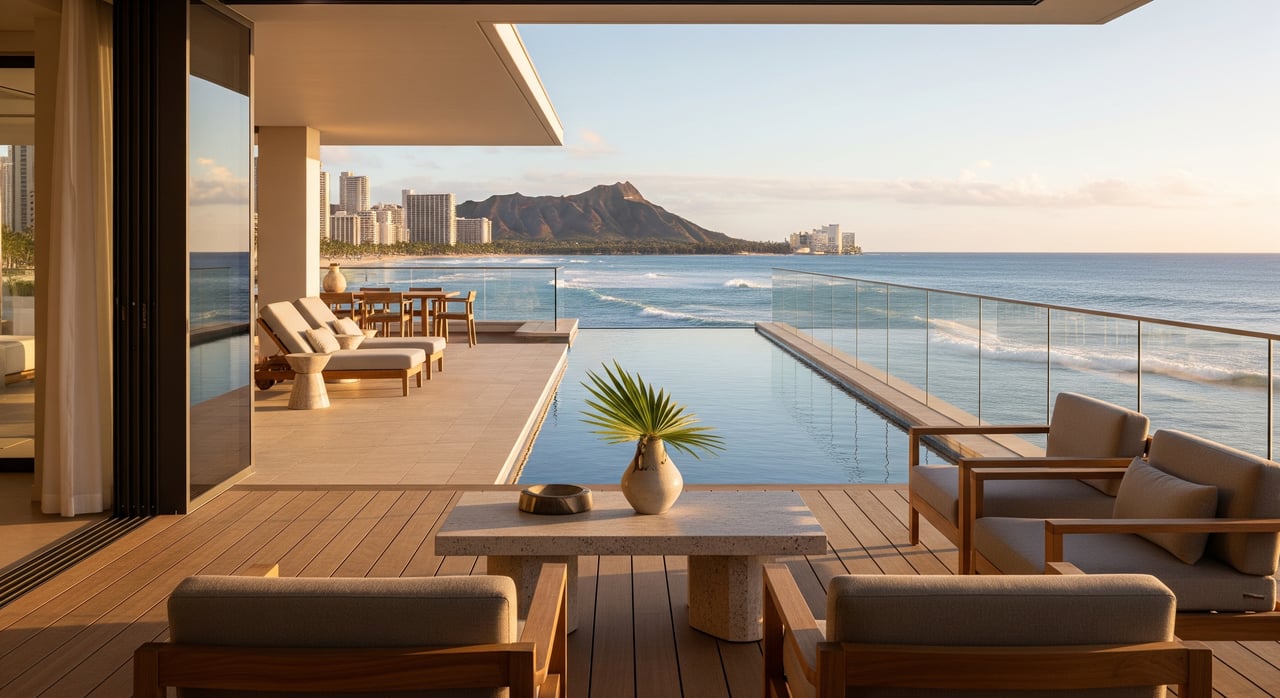
Oceanfront Living On Waikiki’s Gold Coast: Daily Life Explained
February 5, 2026
February 5, 2026
Imagine starting your day with a sunrise swim, grabbing coffee on Kalakaua, and being home in time to watch surfers glide past your lanai. That is the daily rhythm many people love about Waikiki’s Gold Coast in 96815. It is also a dynamic, visitor-friendly area with unique logistics and upkeep needs that come with oceanfront living. In this guide, you will learn what day-to-day life looks like, the trade-offs to expect, and the key questions to ask before you buy. Let’s dive in.
The “Gold Coast” describes the oceanfront stretch of Waikiki facing the Pacific and Diamond Head, within much of ZIP 96815. You are close to beaches, hotels, and condos along Kalakaua and Kuhio. The neighborhood is compact and highly walkable, which makes daily errands and dining simple.
A tropical coastal climate sets the tone. Expect warm temperatures year-round with steady trade winds that can help cool oceanfront units. You will also live with high humidity, salt spray, and strong sun exposure. Local planning efforts look at long-term resilience for coastal neighborhoods, and you can explore Waikiki context through City and County of Honolulu planning resources.
Public beach access points line the shoreline, with gentle water conditions in many areas thanks to offshore reefs. Early mornings and late afternoons are prime times for swimming, paddleboarding, or beginner surf sessions. The promenade and nearby parks often fill with walkers, runners, and dog owners.
You can expect a steady buzz most days. Waikiki is Oahu’s visitor hub, and the Gold Coast is among the busiest pedestrian corridors. For broader visitor patterns that shape the area’s energy, review insights from the Hawaii Tourism Authority.
You will likely walk for most daily needs. For longer trips, TheBus serves major Waikiki streets with frequent routes. Check schedules and route maps via the Honolulu Department of Transportation Services. Honolulu’s Skyline rail continues to expand toward the urban core, with bus connections used by many Waikiki residents. Follow updates on the Honolulu Rail Transit site.
Driving is doable, but congestion spikes during commute windows and events. Parking can be limited or fee-based. Many residents mix walking, rideshare, and transit for flexibility.
Gold Coast living is lively. Street noise can include pedestrian crowds, restaurant and bar activity, live music at times, and hotel operations. Evenings and weekends tend to feel more active. Noise is generally higher near Kalakaua and large hotels, while side streets and higher floors can be quieter. For general public-safety information and stats, the Honolulu Police Department provides citywide resources.
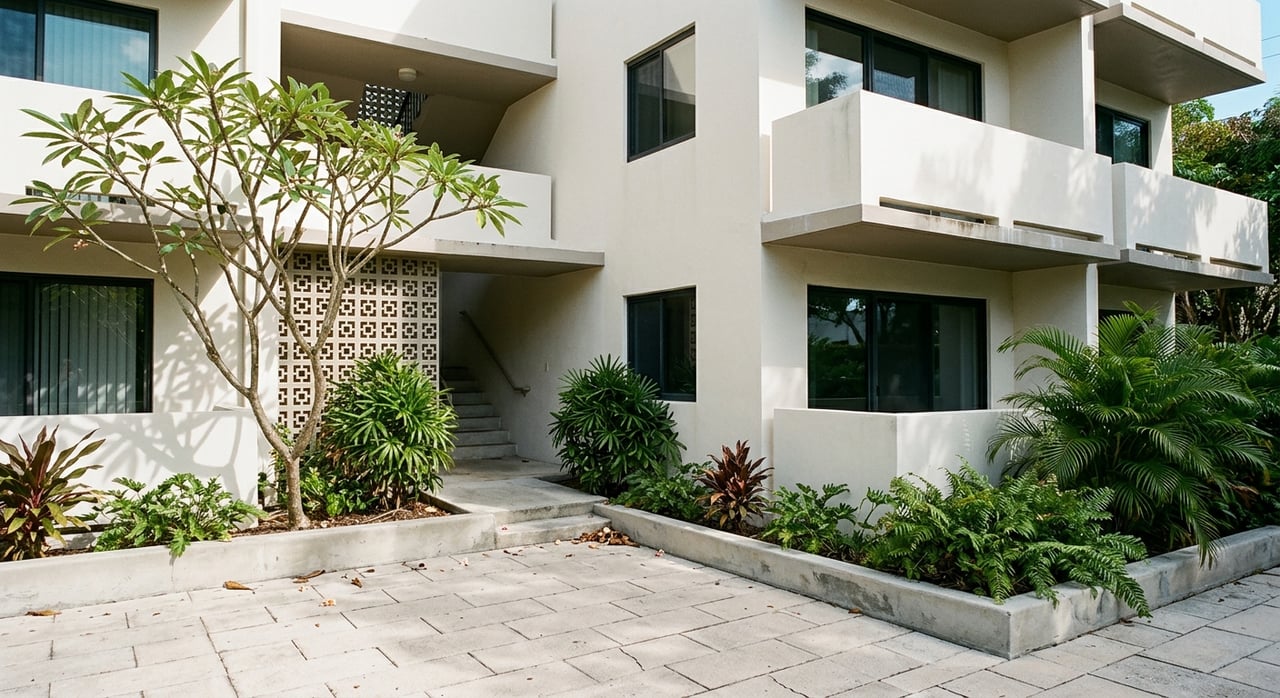
You will see a mix of mid-century high-rises and newer towers. Many units are studios and 1–2 bedrooms. Amenities vary by building and may include secured entries, elevators, pools, BBQ areas, fitness rooms, and sometimes concierge service in larger properties. Some buildings blend hotel and condo uses, which can affect rules and daily operations.
If you plan to host family or friends often, check guest policies and hours for common areas. If you value a quiet gym over a lively pool deck, compare amenity spaces in person at different times of day.
Life on the water brings beauty and more frequent upkeep. Salt air and humidity can accelerate corrosion on railings and hardware, wear on HVAC systems, and degrade window seals and exterior finishes. Buildings with strong maintenance histories and robust reserve funds are attractive because they stay ahead of these needs.
When you tour, look for signs of recent capital projects such as exterior painting, balcony and structural repairs, or roof work. Ask for the latest reserve study, budgets, and board meeting minutes. These documents help you understand future costs and how well the building stays proactive.
Many oceanfront properties fall within coastal flood zones or experience seasonal king tides. It is smart to review FEMA Flood Insurance Rate Maps and consider building elevation and sea-wall conditions. Explore national resources at FEMA and use NOAA for sea-level and coastal flood context.
Insurance planning matters here. Expect to consider wind or hurricane coverage and flood insurance where applicable. Building master policies vary, and individual needs differ by unit and lender, so review coverage details during due diligence.
If rental income is part of your plan, confirm rules first. Hawaii levies a Transient Accommodations Tax and a General Excise Tax on short-term lodging. Owners who operate short-term rentals must register and collect applicable taxes, per the Hawaii Department of Taxation. Honolulu County also regulates where and how short-term rentals are allowed, and many condominium declarations and house rules prohibit or restrict them. Always verify both building and county rules before you buy.
On-site parking is limited in many buildings and may be sold or rented separately. Guest parking is often restricted or fee-based. Deliveries and moving logistics can be tricky due to narrow streets and hotel traffic. Buildings usually have move-in policies, service elevator schedules, and time windows for vendors. Ask for these in advance to avoid surprises.
Plan for:
The Gold Coast appeals to different lifestyles:
Use this checklist during your search:
Pros:
Trade-offs:
If you thrive on ocean access, walkable convenience, and a resort-adjacent vibe, the Gold Coast delivers a lifestyle that is hard to match. If you prefer low-key streets, abundant parking, and lower HOA fees, it may feel busy or costly. The key is honest alignment with your lifestyle and investment horizon, paired with careful review of building health and coastal risk.
When you are ready to explore specific buildings and compare floor levels, views, noise, parking, and house rules, connect with a local advisor who knows the micro-differences from block to block. For end-to-end guidance in sales, leasing, or long-term property management, reach out to Chelsey Flanagan. Let’s Connect.
Stay up to date on the latest real estate trends.
From personalized search criteria, email updates for new or changed listings, community and school demographics, satellite map searches to free market reports, forms, and updated real estate news. Feel free to contact me and I will be happy to help you with all your real estate needs.