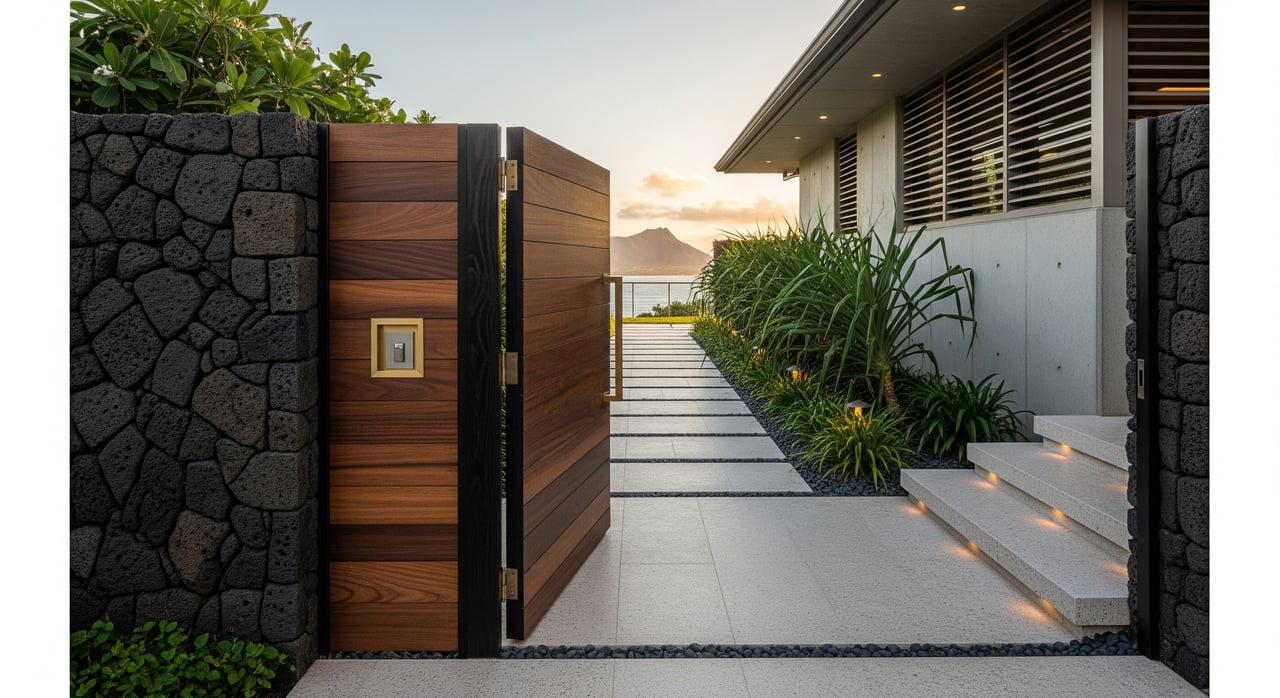
What Escrow Means in Hawaii Oʻahu Home Sales
December 4, 2025
December 4, 2025
Buying or selling a home in Honolulu comes with one word you hear a lot: escrow. If you have ever wondered what actually happens after your offer is accepted until you get the keys or funds, you are not alone. In this guide, you will learn what escrow means on Oʻahu, how the timeline works, what common contingencies look like, and how to keep your closing smooth. Let’s dive in.
Escrow is a neutral process that holds funds and documents while a sale moves from contract to closing. The escrow officer follows written instructions in your purchase contract, collects deposits, orders title work, coordinates payoffs and prorations, and disburses money only when conditions are met.
On Oʻahu, the escrow company often works hand in hand with a title provider to run the title search, issue title insurance, and handle recording. Escrow companies and officers are licensed in Hawaiʻi. You can verify a company’s status through the Hawaiʻi Department of Commerce and Consumer Affairs. Use the DCCA’s resource to confirm escrow depository licensing.
When your sale closes, the deed records with the State of Hawaiʻi. Depending on the property, it records in the Bureau of Conveyances or the Land Court system. You can review procedures on the State of Hawaiʻi Bureau of Conveyances site.
Every contract is different, but most Honolulu escrows follow a similar path from accepted offer to recording.
Once buyer and seller sign the purchase contract, escrow opens and the buyer’s earnest money is deposited. This is usually due within 1 to 3 business days of acceptance. The escrow officer sends a receipt and orders the title search.
In the early days, you handle inspections, lender application, and appraisal. Sellers deliver disclosures and, for condos, association documents. Typical timing on Oʻahu includes a 7 to 14 day inspection window and a 21 to 30 day financing period when a loan is involved.
As you near closing, escrow collects final payoff statements, calculates prorations for property taxes and HOA fees, and coordinates closing documents. Your lender issues final loan paperwork, and you sign closing documents. A final walkthrough usually happens 24 to 48 hours before closing.
After all conditions are met, your lender wires funds to escrow. Escrow then records the deed with the State of Hawaiʻi. Recording often occurs the same day as funding, or the next business day if cutoffs apply. Once recorded, escrow disburses sale proceeds, pays off liens and commissions, and issues final settlement statements. Keys and possession transfer per the contract.
A financing contingency protects you if loan approval does not come through in time. While you work with your lender, escrow holds the earnest money. If you cancel within the contingency period, you can usually recover your deposit per the contract terms.
Buyers typically have a short inspection period to order home, pest, roof, or sewer inspections. You can negotiate repairs or credits. Delays can happen if agreement on repairs takes time.
If a lender is involved, the appraisal must support the price. If it comes in low, you may renegotiate, bring extra funds, or cancel under the appraisal terms in the contract.
Title searches can uncover liens, easements, or other issues. Escrow coordinates any required payoffs or curative steps so the title records cleanly. Properties that are in the Land Court system follow specific recording procedures.
For condos in areas like Ala Moana, Waikiki, and Kakaʻako, buyers usually have 10 to 14 days to review bylaws, financials, house rules, and pending assessments. This is often a contract contingency.
Your earnest money shows good faith and is held in escrow. On Oʻahu, it is often 1 to 5 percent of the purchase price, but the amount is negotiable. At closing, it is applied to your down payment or costs, or released per the contract if the deal does not close.
Buyers typically pay lender fees, appraisal, their share of title and recording charges, and prorated property taxes from the date of closing. Sellers typically pay the real estate commission, seller side closing charges, the state conveyance tax, and mortgage payoffs. Exact cost splits are negotiable and follow the language in your contract.
Hawaiʻi charges a value-based conveyance tax when property transfers. This is commonly a seller expense on Oʻahu, though parties can negotiate. For current rates and rules, review the State of Hawaiʻi Department of Taxation conveyance tax guidance.
Escrow prepares the final settlement statement with prorations for property taxes, HOA dues, utilities, and any rents, based on the contract. For local tax schedules and contacts, see the City and County of Honolulu property tax information.
On funding, escrow records the deed and, if applicable, the mortgage with the State. For an overview of how recording works in Hawaiʻi, the Bureau of Conveyances provides official guidance.
From Hawaii Kai and ʻĀina Haina to Kahala, Diamond Head, and the condo towers of Ala Moana and Waikiki, every escrow has moving parts. With attentive planning, clear communication, and the right local team, you can glide from acceptance to recording with confidence. If you are planning a sale or purchase in Honolulu and want a steady hand through escrow, reach out to Chelsey Flanagan. Let’s Connect.
Stay up to date on the latest real estate trends.
From personalized search criteria, email updates for new or changed listings, community and school demographics, satellite map searches to free market reports, forms, and updated real estate news. Feel free to contact me and I will be happy to help you with all your real estate needs.