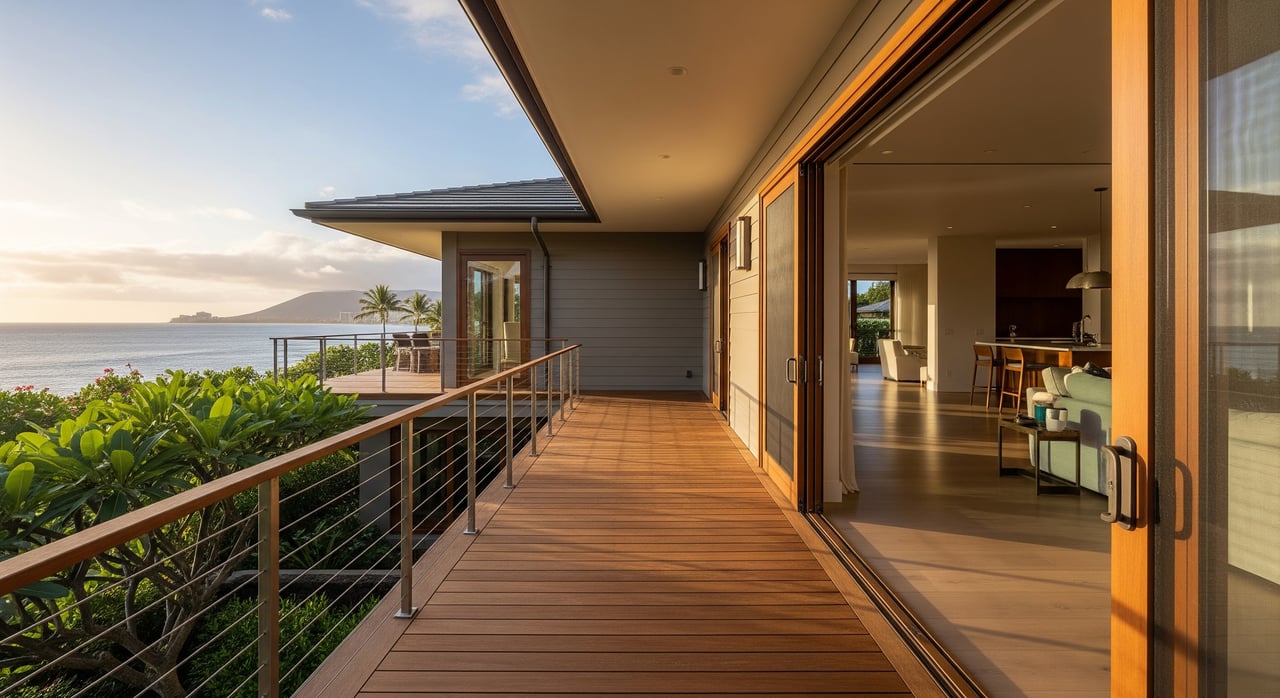
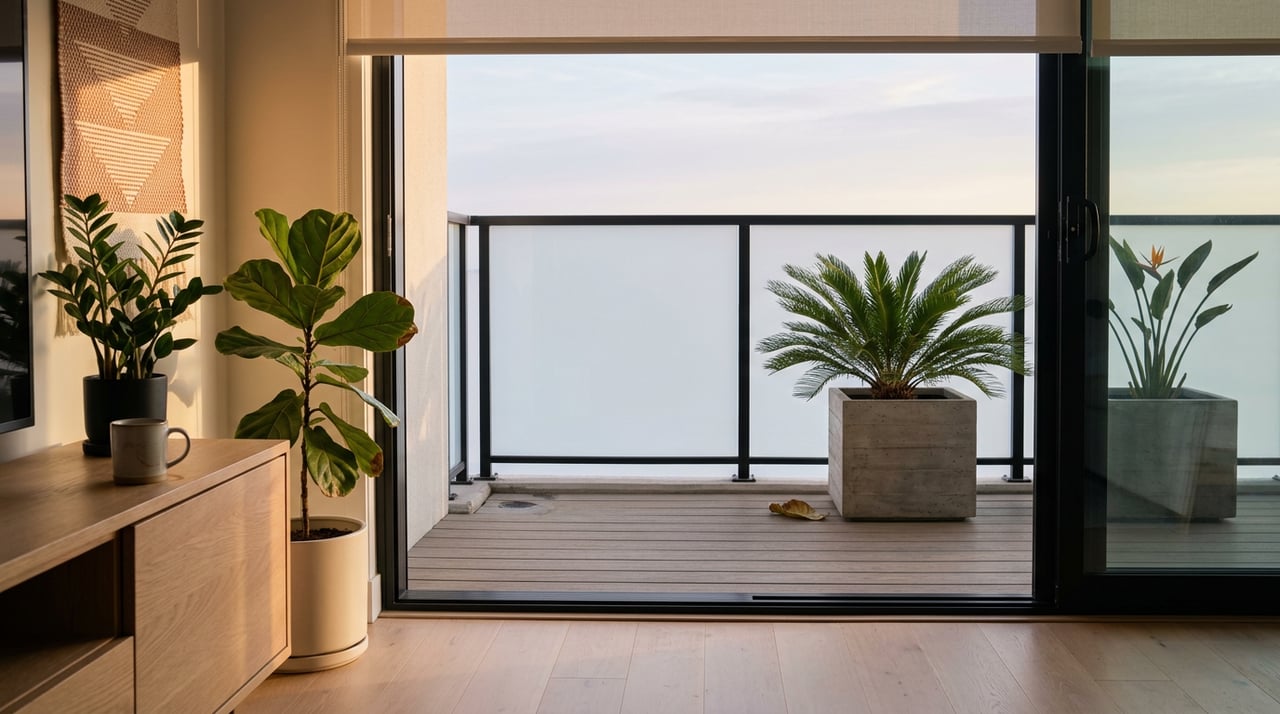
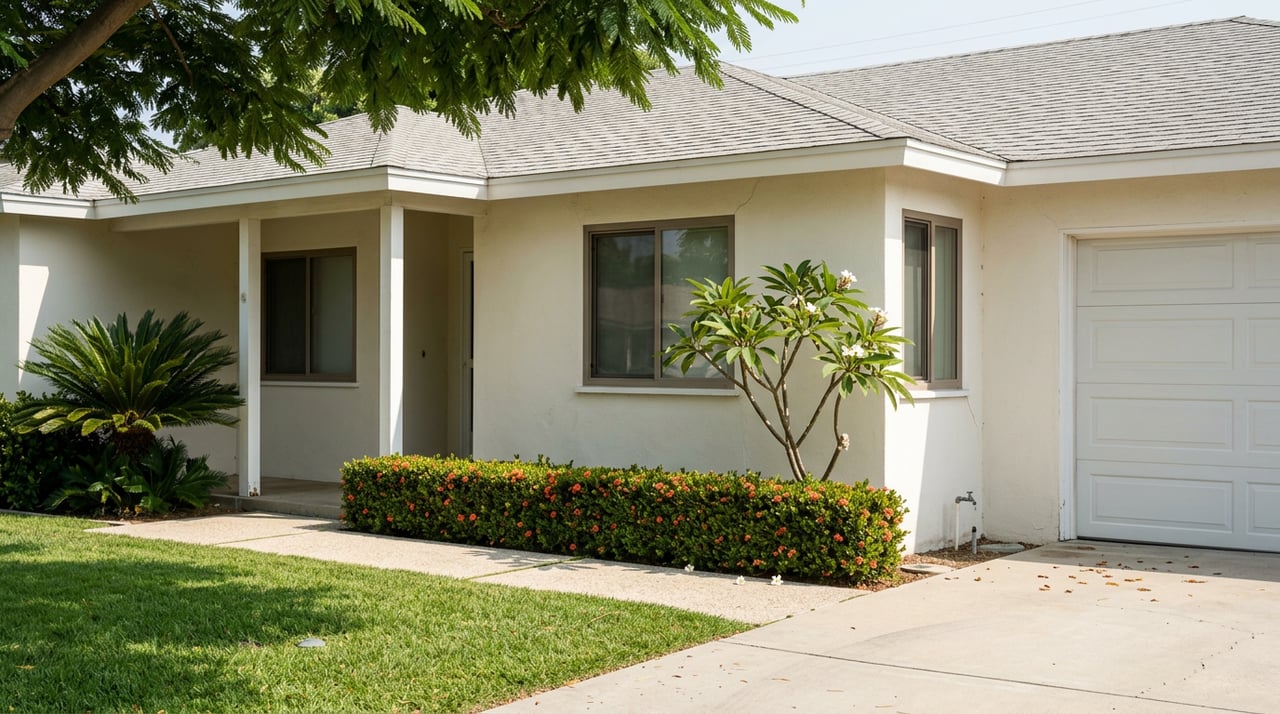
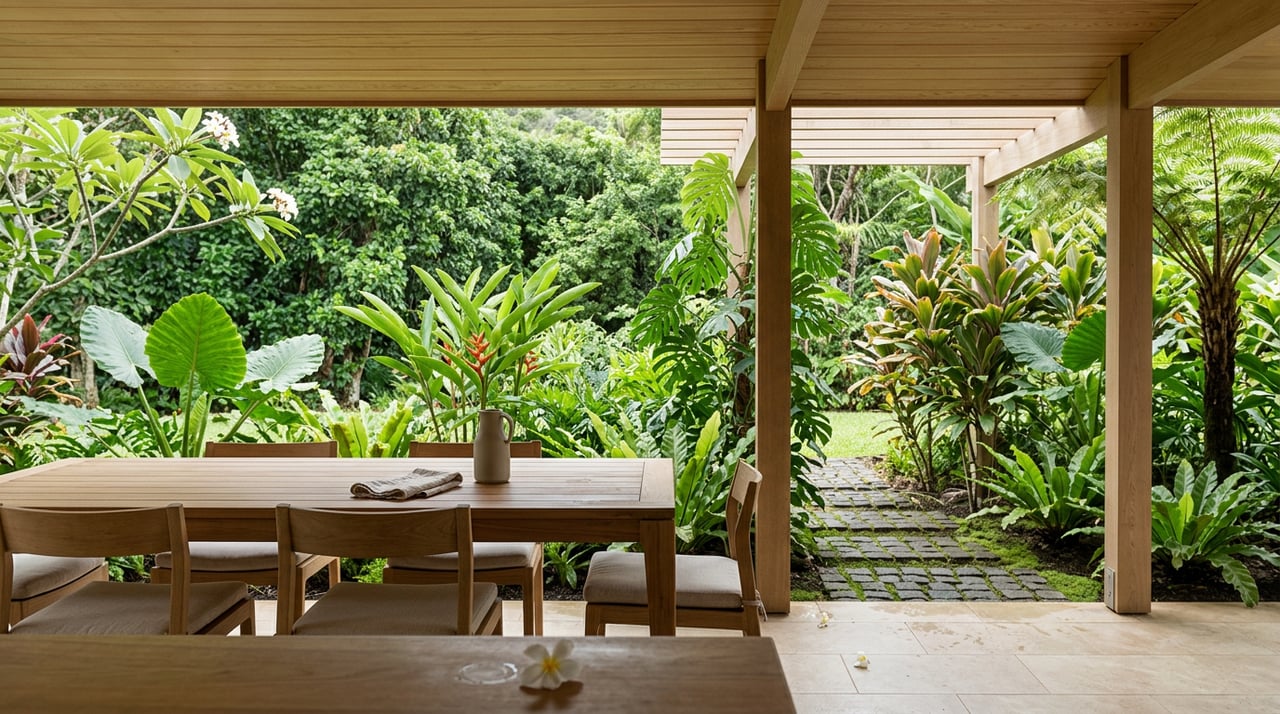
You love waking up to ocean breezes in ʻĀina Haina. But those same salty winds can be tough on a home if you are not prepared. If you are buying in 96821, you can protect your investment with the right materials, a steady maintenance plan, and smart due diligence. In this guide, you will learn what to look for before you buy and how to keep your home performing well for years. Let’s dive in.
Salt air in ʻĀina Haina, explained
ʻĀina Haina sits on the eastern side of Honolulu where trade winds, humidity, and intense UV are part of daily life. Salt spray and wind-driven moisture can speed up corrosion and wear on exterior components. Paint, metal fasteners, window seals, and HVAC equipment age faster in this environment. Ocean-facing pockets tend to see more salt deposition, while homes set back or shielded by terrain may have less direct exposure.
Exposure varies by microclimate
In 96821, two streets can experience very different conditions. Homes near the shoreline or along wind corridors receive more salt spray. Properties upslope, behind natural wind breaks, or shaded by vegetation often face less salt deposition. When you tour a home, note wind exposure, elevation, and visible salt buildup to gauge likely maintenance needs.
Choose resilient materials
The materials you pick matter more near the coast. Focus on corrosion resistance, UV stability, and quality installation. The right choices reduce long-term costs and extend the life of finishes and systems.
Fasteners and metals
- Use marine-grade stainless steel, such as Type 316 or 316L, for exterior fasteners, hinges, and hardware. It resists chloride corrosion better than 304.
- Consider bronze or silicon-bronze hardware when galvanic compatibility and a stable patina are important.
- Hot-dip galvanized can work in less exposed areas, but it generally underperforms stainless in salt spray.
- Avoid direct contact between dissimilar metals. Use isolation washers and compatible sealants to limit galvanic corrosion.
Roofing and gutters
- Concrete or clay tile, coated metal, and high-quality asphalt shingles all see accelerated wear at fasteners and flashings.
- Prioritize corrosion-resistant flashings and 316-grade fasteners for all roof penetrations and edges.
- Select aluminum or stainless gutter systems and keep them clean to prevent salt and organic buildup that can cause corrosion and blockages.
Siding, trim, and paint
- Wood siding and trim require more frequent sealing and repainting in coastal settings. Choose treated or naturally rot-resistant species and maintain ventilation and clearances.
- Fiber cement and stucco perform well when cracks are sealed promptly and flashings are detailed correctly.
- Use marine/coastal-grade paint systems. High-quality 100% acrylic latex or polyurethane topcoats with UV blockers extend life. On metal or weathered substrates, consider high-build epoxy primers under the finish coat.
Windows and doors
- Powder-coated aluminum and PVC or thermally broken frames resist decay. Ensure marine-grade finishes and fasteners are used.
- Choose 316-grade hardware and marine-rated sealants such as silicone or polyurethane. Inspect seals regularly, since UV and salt shorten sealant life.
- In ocean-facing pockets, impact-rated glazing or shutters can add protection consistent with local wind load requirements.
HVAC and home systems
- Coastal exposure accelerates coil corrosion and general equipment wear. Specify coastal-rated coils and protective coatings, and schedule servicing twice a year to clean and inspect components.
- Use corrosion-resistant connections for water heaters and plumbing. Check sacrificial anodes per the manufacturer’s schedule.
- Exterior electrical enclosures should be marine-rated and sealed, with periodic checks for corrosion on connections.
Set your maintenance rhythm
A steady, documented maintenance plan is your best defense against salt, sun, and humidity. It also supports resale and insurance underwriting.
- Quarterly: Walk the exterior to spot blistering paint, rust stains, corroded fasteners, or failed sealants.
- Biannually: Clean gutters, service HVAC, and rinse exterior surfaces with fresh water after heavy salt spray events. Avoid aggressive power washing that can strip protective coatings.
- Annually: Inspect the roof, flashings, and window and door seals. Reseal as needed and check drainage around the site.
- Every 3–7 years: Repaint highly exposed wood and trim, depending on product quality and exposure.
- Every 3–5 years: Arrange a professional corrosion or structural assessment for highly exposed properties.
Buyer inspection checklist
When touring or during your inspection period, use this list to focus on coastal wear points:
- Exterior
- Look for salt-caked surfaces, rust streaks, and white deposits.
- Assess paint for flaking, chalking, and UV damage.
- Confirm fastener and flashing materials are stainless 316 or similar.
- Review roof-to-wall transitions and attic ventilation for moisture signs.
- Check window and door seals, hardware condition, and sill rot.
- Mechanical
- Verify HVAC age, service records, and any coastal-rated components. Look for coil corrosion.
- Inspect water heater connections and ask about sacrificial anode checks.
- Examine exterior electrical fixtures and enclosures for corrosion.
- Structural and interior
- Look for moisture intrusion or wood decay in eaves, decks, crawlspaces, and basements.
- Inspect deck and balcony fasteners and ledger flashing.
- Site and drainage
- Confirm grading moves water away from the foundation.
- If near shoreline or cliffs, look for erosion indicators and note any shoreline structures.
Permits, flood risk, and insurance
If you are close to the shoreline, the Special Management Area process and state coastal rules may apply to development work. Seawalls and similar shoreline structures are regulated and usually require permits. Replacement or repair can face added scrutiny. Always confirm current requirements with the City and County of Honolulu and state coastal agencies before planning major work.
Check FEMA flood maps for parcel-specific risk and whether the property is in a Special Flood Hazard Area. If it is, flood insurance is required for federally backed loans. Even outside mapped zones, you should still consider flood coverage given storm surge potential. Request current homeowner and flood insurance quotes, coverage limits, and any wind or hurricane endorsements during due diligence.
Plan for the long term
Sea-level rise and shoreline recession can affect property value, permitting, and insurability over decades. Review local scenario planning resources and discuss your time horizon with your advisor. Zoning and setback rules may change, which can influence future redevelopment potential.
Budgeting and ownership tips
- Expect shorter repaint cycles in exposed areas and plan for periodic fastener and sealant replacement.
- Schedule biannual HVAC servicing and consider upgrading to coastal-rated components to extend equipment life.
- Rinse exterior surfaces with fresh water after major salt spray events to reduce chloride buildup.
- Keep thorough maintenance records. They help with resale and insurance.
- Hire contractors and inspectors with coastal experience for materials, detailing, and installation quality.
A local partner for coastal stewardship
Buying in ʻĀina Haina is about more than finding the right floor plan. It is also about caring for a home in a coastal microclimate so you enjoy island living with fewer surprises. If you want neighborhood-rooted guidance from offer to ongoing ownership, reach out to Chelsey Flanagan. From purchase to long-term property management, you will have a trusted, local advisor by your side.
Ready to talk through a specific property in 96821 and build your maintenance plan? Connect with Chelsey Flanagan.
FAQs
How does salt air affect ʻĀina Haina homes?
- Salt, UV, and humidity accelerate corrosion, paint wear, sealant failure, and HVAC degradation, especially in ocean-facing pockets.
What fasteners should I request in 96821?
- Specify marine-grade Type 316 or 316L stainless steel or silicon-bronze for exterior fasteners and hardware in coastal exposure.
How often will I need to repaint near the coast?
- High-exposure areas commonly need repainting or touch-ups every 3–7 years, depending on materials, coating quality, and exposure level.
How should I maintain my HVAC by the ocean?
- Service twice a year, clean coils, inspect for corrosion, and consider coastal-rated coils or protective coatings to extend equipment life.
Do I need flood insurance in ʻĀina Haina?
- If your parcel is in a FEMA Special Flood Hazard Area and you use a federally backed loan, flood insurance is required; many owners consider it regardless of zone.
Are seawalls allowed on oceanfront properties?
- Seawalls are regulated and generally require state and county permits; repairs and replacements can face added review to protect shorelines.