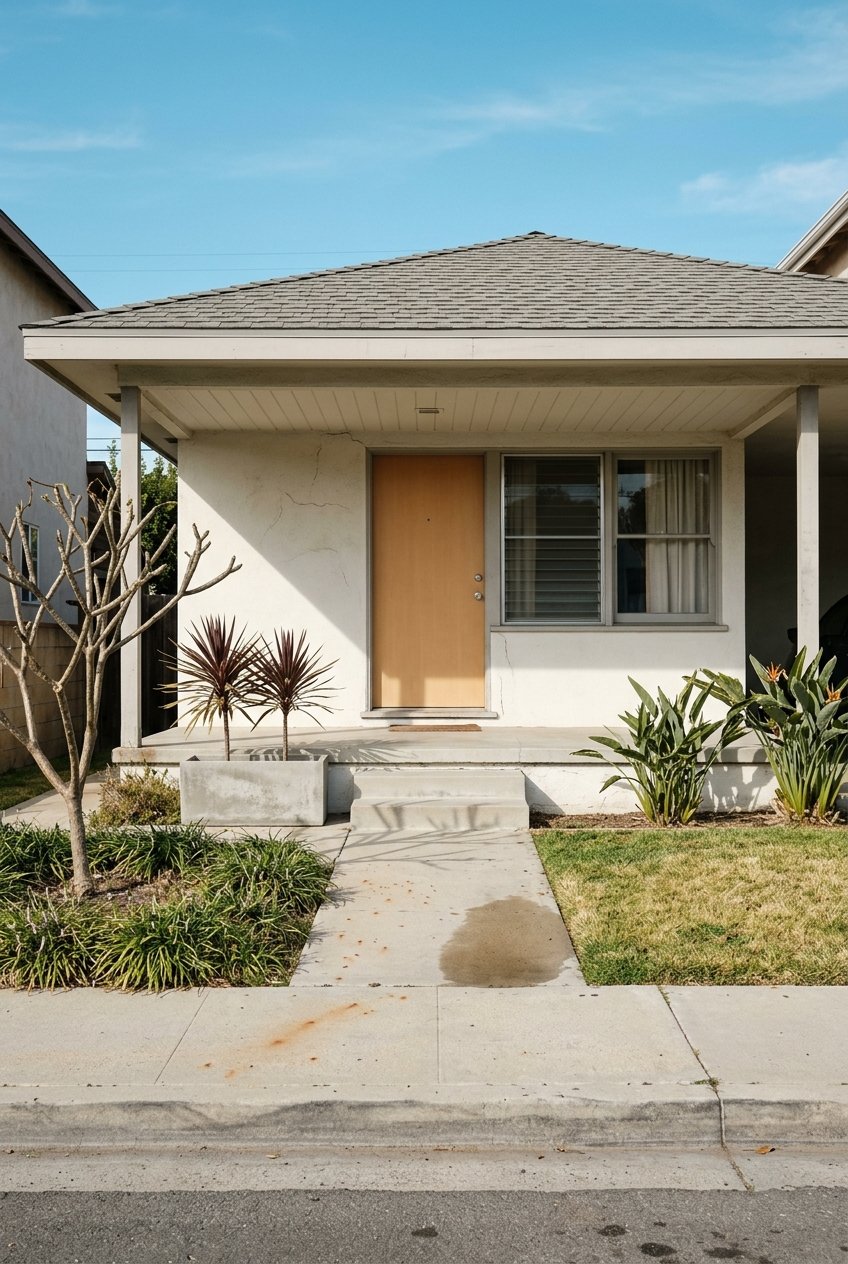
What Kaimuki Moiliili Neighborhood Life Feels Like
June 4, 2026
June 4, 2026
What does daily life in Kaimukī and Mōʻiliʻili actually feel like once you look past the photos and listing details? If you are trying to picture your routine, not just your floor plan, these in-town Honolulu neighborhoods offer a very specific kind of lifestyle. You can expect older streetscapes, local businesses, practical commute options, and a rhythm shaped by errands, parks, coffee stops, and community spaces. Let’s dive in.
Kaimukī and nearby Mōʻiliʻili share an in-town Honolulu feel, but they do not live exactly the same. Both are shaped by older residential blocks, street-front businesses, and daily routines that happen out on the streets instead of inside large master-planned communities.
Kaimukī tends to feel more residential first, with a lower-rise pattern and a mix of historic homes and newer two-story replacements. Mōʻiliʻili reads as denser and more apartment-centered, with older walk-ups, multi-unit buildings, and busy commercial corridors along streets like King, Beretania, McCully, and University.
In Kaimukī, many blocks have a neighborhood feel that starts with the homes and the street itself. Community research describes wide, tree-lined streets in some areas, along with older houses, hilly terrain, and a generally low-density character.
At the same time, the area is not uniform. Some streets have narrow or missing sidewalks, and the neighborhood includes a mix of older homes, newer replacements, and interest in more low-rise housing types such as townhouses, triplexes, and mixed-use buildings.
Mōʻiliʻili often feels more urban in your day-to-day routine. Research points to a large renter population, older homes, old walk-ups, and multi-unit apartments, which all contribute to a denser and more compact experience.
That compact feel can make everyday errands easier to combine. It can also come with urban tradeoffs like tighter sidewalks, older buildings, and more visible parking pressure.
In both neighborhoods, many older commercial buildings sit close to the sidewalk instead of behind large parking lots. Along corridors like Waialae Avenue in Kaimukī, that creates a street-oriented business district where shops and services feel woven into the neighborhood instead of separated from it.
For you, that can mean a more connected daily pattern. A coffee run, lunch stop, or quick errand may feel like part of the same trip rather than a separate drive across town.
One of Kaimukī’s clearest lifestyle markers is its local food and coffee scene. Community and business sources describe the area as a place where restaurants, coffee shops, and longtime neighborhood spots are within walking distance of one another.
That kind of small-business concentration changes how a neighborhood feels. Instead of relying only on big retail centers, your routine may include familiar local storefronts and repeat stops along Waialae Avenue.
Kaimukī’s coffee culture is part of its everyday identity, not just a weekend feature. Local coverage highlights spots like Coffee Talk, Plantoem, and The Curb, showing the neighborhood’s mix of long-running cafes, specialty coffee, and creative small-business spaces.
If you are comparing Honolulu neighborhoods, that matters more than it may seem at first. Coffee shops often double as meeting points, work breaks, and easy neighborhood anchors that make daily life feel grounded.
Mōʻiliʻili has its own neighborhood-based food rhythm, with an everyday convenience factor that matches its denser layout. Recent local reporting noted new openings on South King Street, including an artisan bakery and café, as well as a new ice cream shop in the area in 2025.
That mix supports the idea of Mōʻiliʻili as a place where quick stops are built into the day. In a denser neighborhood, nearby food options are often less about destination dining and more about ease, variety, and routine.
For many people, the KCC farmers market helps define the feel of the area. The college describes it as a place for local produce, flowers, baked goods, coffee, prepared foods, and live entertainment.
That kind of market gives the neighborhood a recurring rhythm beyond commuting and errands. It can become part of how you shop, spend a morning, or show visiting friends a slice of everyday Honolulu life.
Kaimukī has a strong park-and-campus layer that supports daily life. Community research identifies Kaimukī Park as a central gathering space with playground equipment, courts, meeting rooms, an indoor gym, a pavilion, and programs for keiki and adults.
The area also includes other nearby parks and outdoor spaces such as Kīlauea, Kapaolono, Petrie, and Maunalani, along with KCC’s cactus garden and a dog park. That gives you more than one option when you want fresh air, a place to unwind, or a nearby outing.
Even the positive outdoor story comes with practical details. Community input noted that some parks may feel underlit or short on parking, which reflects the reality of living in an older in-town area.
That is useful context when you are weighing convenience. Green space is present, but it works within an urban setting where access, lighting, and parking can vary by location.
Mōʻiliʻili’s sense of community comes from more than storefronts. The Moiliili Community Center offers children and family programs, kupuna support, a Japanese language school, and a senior program, giving the neighborhood a lived-in and service-oriented character.
McCully District Park also functions as a community touchpoint, including use as a neighborhood board meeting site. Together, these places help the area feel active and connected in everyday ways.
In this part of Honolulu, commuting is often bus-first and street-first. Community research notes service from TheBus and the UH shuttle, and current route information shows direct service through Waialae, Kaimukī, University, and Kapiolani corridors toward destinations like Waikīkī, UH Mānoa, Ala Moana, and Kahala.
For buyers and renters alike, that can be a meaningful part of the lifestyle picture. If you want options beyond driving everywhere, these neighborhoods support a more connected in-town routine.
These neighborhoods can feel walkable, especially around business corridors and mixed-use blocks. Still, sources also note inconsistent sidewalks and crossings in some areas, so the walking experience depends a lot on the specific street and route.
That is why micro-location matters. Two homes in the same neighborhood may offer very different day-to-day ease depending on nearby sidewalks, bus stops, and access to commercial streets.
Parking is a practical concern, especially in Mōʻiliʻili. Local records in 2025 show city action on parking meters on Isenberg Street after years of concern about abandoned vehicles and limited turnover, and neighborhood discussions have also addressed illegal parking and traffic patterns.
Kaimukī has its own traffic realities, especially along Waialae Avenue and at certain intersections. So while both areas can offer convenience and local character, they are not quiet, low-traffic enclaves.
If you are drawn to Kaimukī, you may be looking for a neighborhood that feels more house-centered, locally commercial, and low-rise, while still keeping you connected to in-town Honolulu. Your routine might include neighborhood coffee, a park stop, and errands along Waialae Avenue, all within a setting that feels established and community-forward.
If Mōʻiliʻili is more your speed, you may value a denser, more compact environment where apartments, older walk-ups, and busy corridors create a practical urban rhythm. Your day might be shaped by quick food stops, bus access, nearby services, and a highly in-town feel.
For many people, the appeal is not about one perfect feature. It is about the full texture of daily life: older buildings, local businesses, nearby parks, useful transit, and a neighborhood identity that feels lived-in rather than manufactured.
If you are thinking about buying, renting, or planning your next move in Honolulu, understanding that day-to-day texture can help you choose a neighborhood that fits your routine as much as your budget or wish list. If you want local guidance on how Kaimukī, Mōʻiliʻili, or other Honolulu neighborhoods compare in real life, connect with Chelsey Flanagan.
Stay up to date on the latest real estate trends.
From personalized search criteria, email updates for new or changed listings, community and school demographics, satellite map searches to free market reports, forms, and updated real estate news. Feel free to contact me and I will be happy to help you with all your real estate needs.