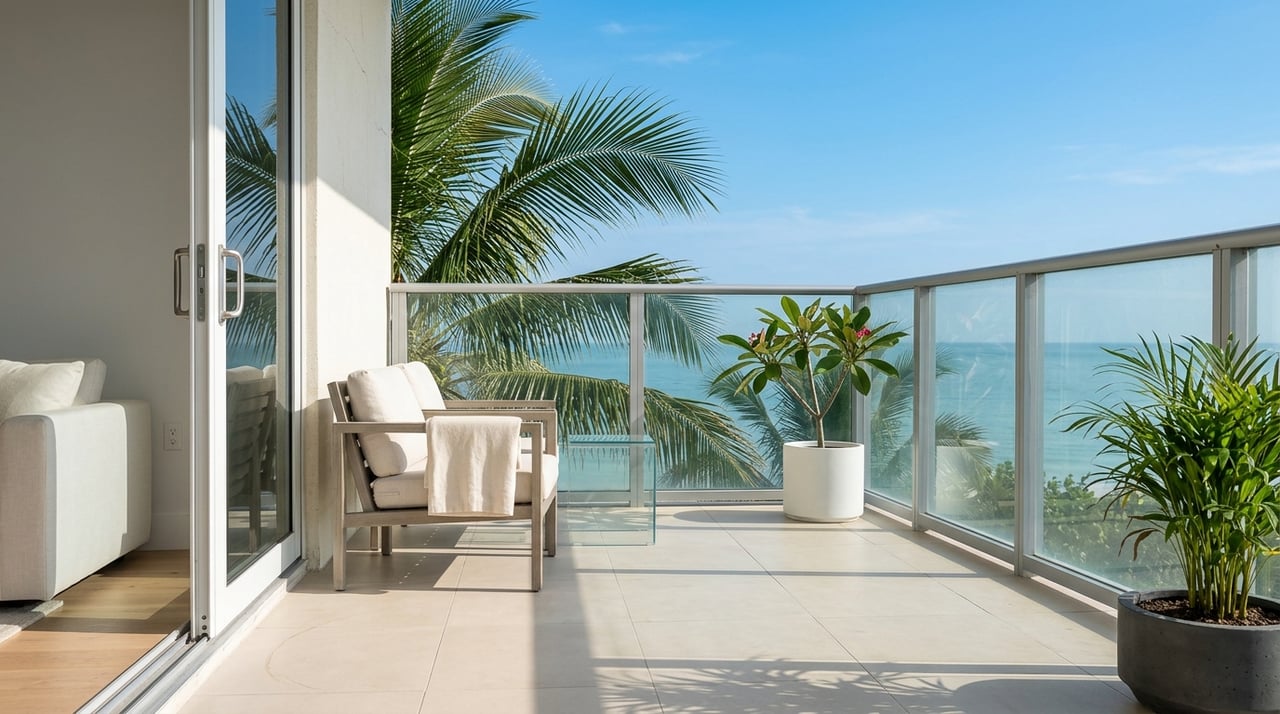
Owning A Home On Waikiki’s Gold Coast: What To Know
June 11, 2026
June 11, 2026
If you are drawn to the quiet oceanfront stretch at Diamond Head’s edge, Waikiki’s Gold Coast likely stands out for good reason. It feels different from much of Waikiki, and that difference can be exciting if you are thinking about buying there. Before you commit, it helps to understand how the location, building stock, and ownership details shape day-to-day life and long-term costs. Let’s dive in.
The Gold Coast sits on the oceanfront strip at the Diamond Head end of Waikiki in 96815. State planning materials identify this area as the part of Waikiki associated with the Gold Coast, and its setting is shaped by direct ocean exposure, frontage along Kapiolani Park, and proximity to the Natatorium area.
For many buyers, that geography creates a more residential feel than the busier hotel corridor farther into Waikiki. This is a narrow waterfront stretch with park and ocean frontage, so the experience often feels more intimate than resort-oriented. If you are comparing it with inland Waikiki condos, that distinction matters.
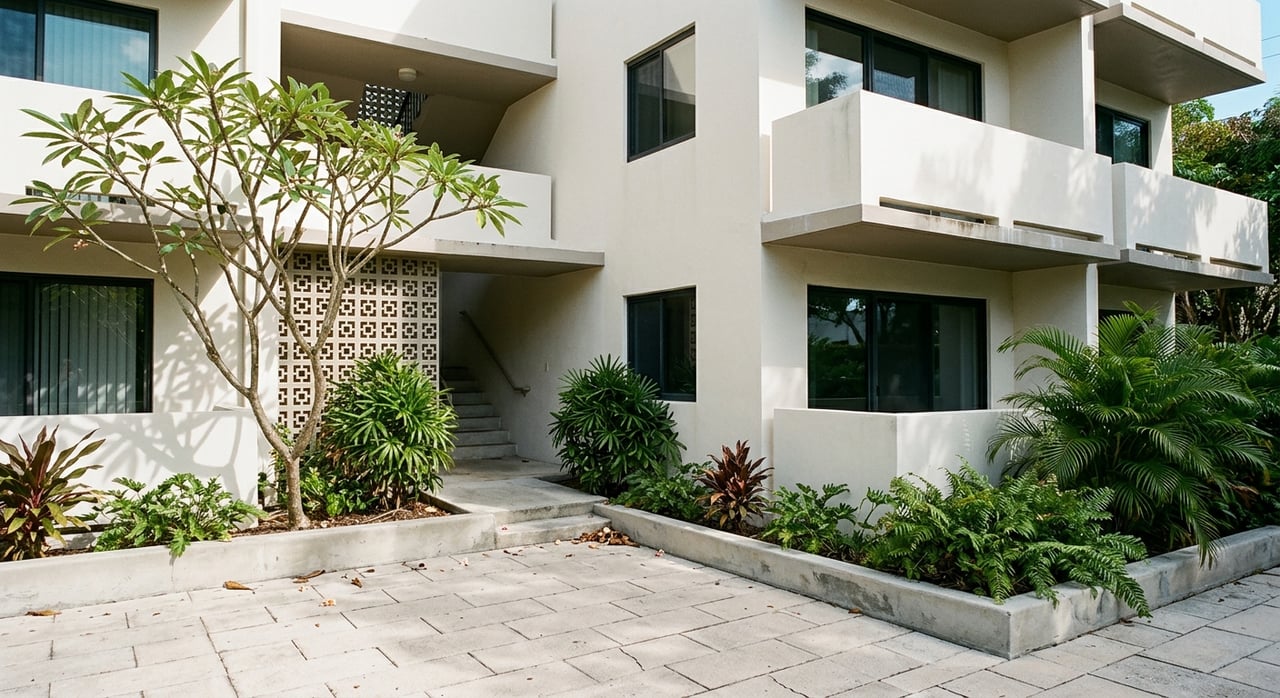
One of the most important things to know is that the Gold Coast is not a single condo product. The Hawaii DCCA condominium registry shows a mix of apartment and hotel-apartment projects along this stretch of Kalakaua Avenue, and the size and structure of each building can vary quite a bit.
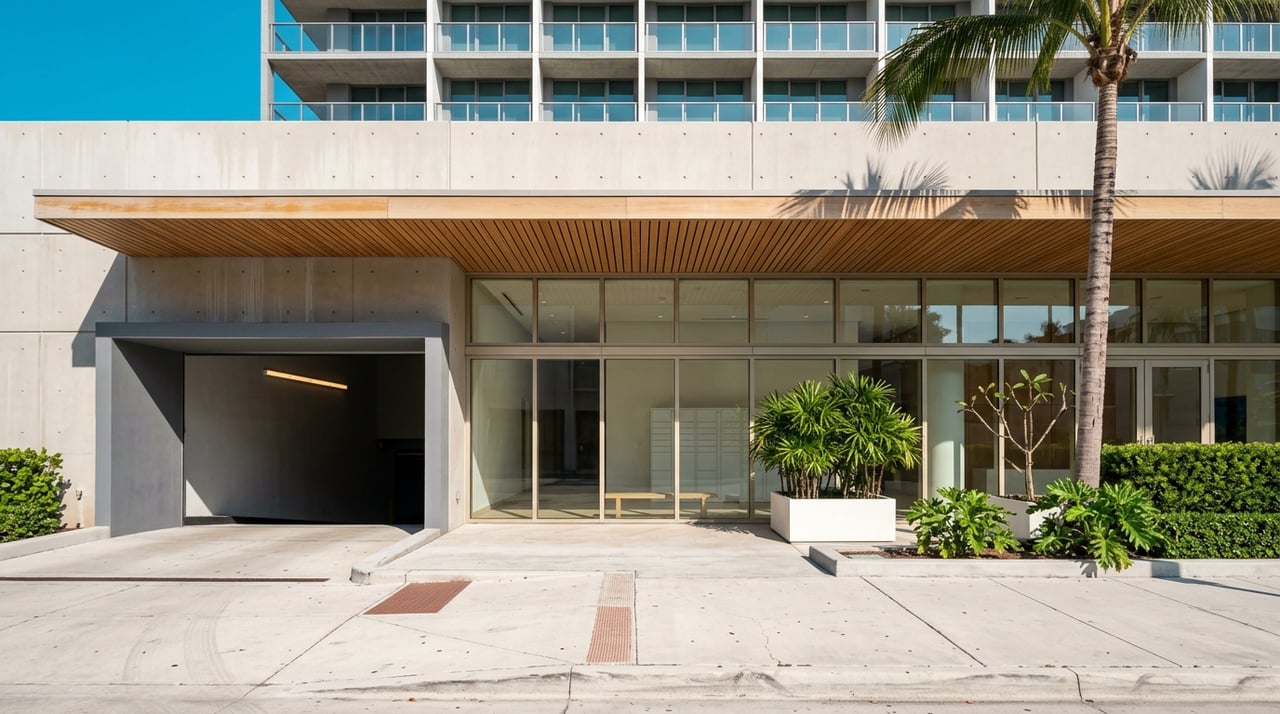
Examples in the registry include 3019 Kalakaua Avenue Apts with 12 units and 14 floors, Oceanside Manor with 18 units, 2987 Kalakaua Apartment with 41 units, Diamond Head Beach Hotel with 62 units and 15 floors, and The Colony Surf with 172 units and 21 floors. Many of these projects date back to the 1960s, which means buyers are often looking at older buildings in exceptional locations rather than newer, amenity-heavy towers.
That can be a major part of the appeal. Smaller projects may offer a more private ownership experience, but they can also come with building-specific maintenance needs, house rules, and financial realities. On the Gold Coast, choosing the right building is often just as important as choosing the right unit.
Oceanfront living is beautiful, but it comes with tradeoffs. In Waikiki, the shoreline is actively managed, and state materials describe much of the coast as armored by seawalls, with beaches made up largely of imported sand.
State agencies also note chronic erosion and seasonal beach loss in the Diamond Head and Kuhio sectors, along with periodic sand maintenance and nourishment work. For Gold Coast owners, that means the shoreline is not a static backdrop. It is an environment that requires ongoing attention and long-term planning.
Coastal conditions also affect buildings themselves. Hawaii’s climate resources say sea-level rise is already worsening erosion and flooding in Waikiki, while NOAA notes that salt spray frequently corrodes coastal building materials.
In practical terms, this puts more focus on the condition of common elements such as concrete, railings, sealants, waterproofing, and the building envelope. If you are buying on the Gold Coast, you should expect maintenance history and future repair planning to be front and center in your due diligence.
For buyers thinking beyond the next few years, sea level rise is not an abstract issue in this part of Honolulu. The Waikiki Sea Level Rise Resilience and Adaptation Project began in 2023 and 2024, and the state has said residents supported a phased adaptive approach to erosion and sunny-day flooding.
That tells you something important about ownership here. Shoreline management is likely to remain a long-term issue rather than a one-time fix. If you want to own on the Gold Coast, it helps to think about the property as both a home and a coastal asset that will need thoughtful stewardship over time.
On the Gold Coast, the homeowners association can have a major impact on your ownership experience. Hawaii’s DCCA explains that condo reserves are intended to pay for large future expenses such as roof or elevator replacement. If reserves are not sufficient, associations may need to rely on special assessments, borrowing, or deferred maintenance.
Because every condominium is different, DCCA also notes that reserve adequacy depends on the building’s own reserve study. This is especially relevant in older oceanfront buildings, where repair cycles and exposure can create significant costs.
When you review a Gold Coast property, pay close attention to the association’s budget, reserve study, and recent maintenance history. A beautiful unit may still come with financial risk if the building has underfunded reserves or major projects on the horizon.
Insurance is another area where buyers need to slow down and verify details. The DCCA Insurance Division says the Hawaii Hurricane Relief Fund provides hurricane-only condo master coverage for condominium and townhouse associations of apartment owners when private hurricane coverage is not reasonably available, and the fund reopened to applications in June 2025.
The fund also says pricing depends on factors such as location, size, type, age, and coverage needs. For Gold Coast buyers, that means insurance costs and coverage structure may be influenced by the building’s age, condition, and oceanfront setting.
This does not mean every building will have the same insurance profile. It means you should ask for the association’s insurance certificate and understand what the master policy covers before you buy.
Rental use is one of the easiest areas to get wrong in Waikiki, especially if you assume every oceanfront condo can be used the same way. Honolulu’s short-term rental rules are zoning-based, and the city says rentals of less than 90 days are allowed only in certain resort and limited Waikiki precinct areas or through legacy nonconforming-use rights.
Because the Gold Coast sits at the Diamond Head end of Waikiki, you should never assume a unit is eligible for nightly or short-term rental use. That needs to be confirmed through zoning, the condo declaration and bylaws, house rules, and the building’s public report.
If rental use matters to you, this is one of the first questions to answer, not one of the last. The right building for a primary residence may not be the right building for an investment plan.
When you look at a Gold Coast property, your due diligence should go beyond finishes and views. The most useful records often include the DCCA condo database, the association’s latest budget and reserve study, the insurance certificate, and the declaration, bylaws, and house rules.
Here is a practical checklist to guide your review:
These details can tell you as much about the fit of a building as the unit itself. On the Gold Coast, informed buyers usually focus on the building, the association, and the coastal setting as a complete package.
Owning on Waikiki’s Gold Coast is less about choosing a standard condo lifestyle and more about choosing a very specific kind of oceanfront ownership. The appeal is easy to understand: direct waterfront location, park frontage, and a setting that feels distinct from the busier parts of Waikiki.
At the same time, the decision requires careful review of older building systems, reserve health, insurance, rental rules, and long-term coastal conditions. If you understand those factors clearly, you are in a much better position to decide whether a Gold Coast property fits your goals.
If you are considering a purchase on the Gold Coast and want local guidance that looks beyond the view, Chelsey Flanagan can help you evaluate the building, the ownership details, and the bigger picture with the care this shoreline deserves.
Stay up to date on the latest real estate trends.
From personalized search criteria, email updates for new or changed listings, community and school demographics, satellite map searches to free market reports, forms, and updated real estate news. Feel free to contact me and I will be happy to help you with all your real estate needs.