Waialae Nui Valley Hillside Living: Views, Breezes & Access
May 21, 2026
May 21, 2026
Wondering what hillside living in Waialae-Nui Valley really feels like day to day? The views and breezes are a big part of the appeal, but the practical side matters just as much when you are choosing the right home. If you are considering this part of Waialae-Kahala, it helps to understand how slope, access, parking, and street location can shape your everyday routine. Let’s dive in.
In Waialae-Kahala, the mauka residential areas are described by the City as lower-density single-family and townhouse neighborhoods set in valleys and along ridges. That matters because Waialae-Nui Valley is not one uniform housing type. You will find a mix of single-family homes along with condo and townhome projects, so the lifestyle can vary a lot from one property to the next.
That variety is part of the draw. Some homes sit higher up with broader outlooks, while others are tucked farther into the valley with a more sheltered feel. If you are shopping here, the better question is not just whether you want Waialae-Nui Valley, but what kind of hillside setup fits your daily life.
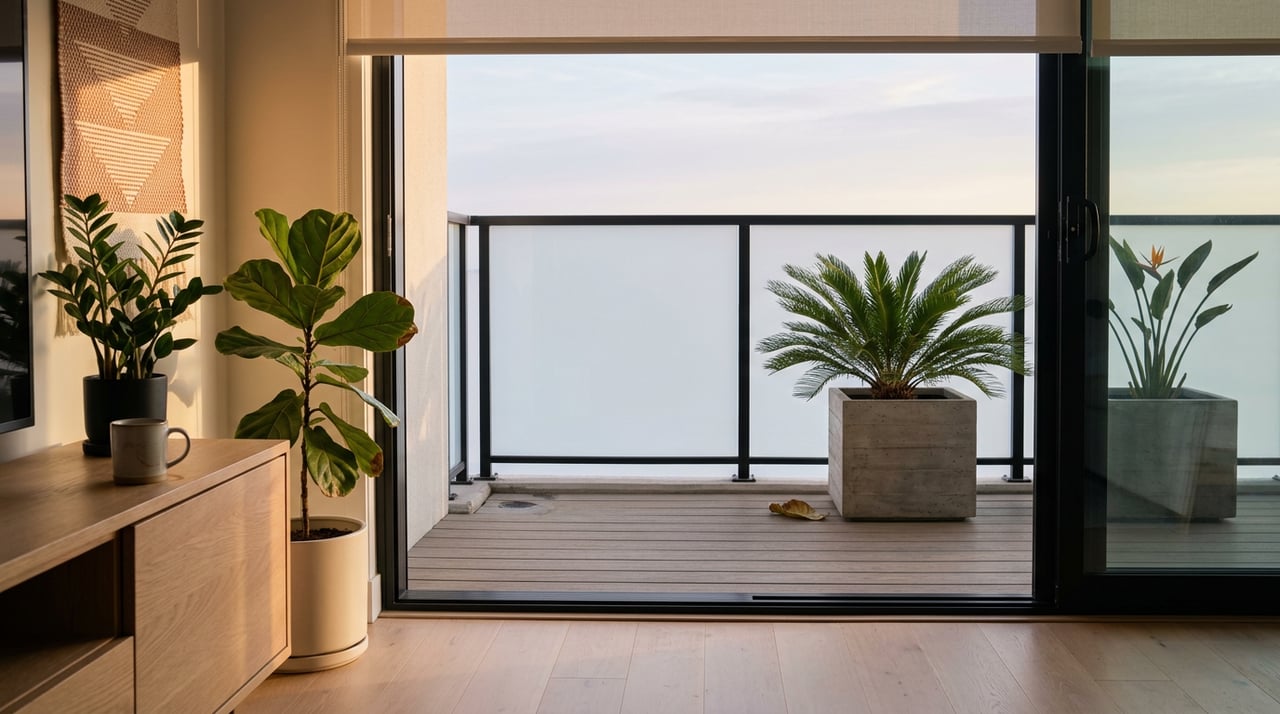
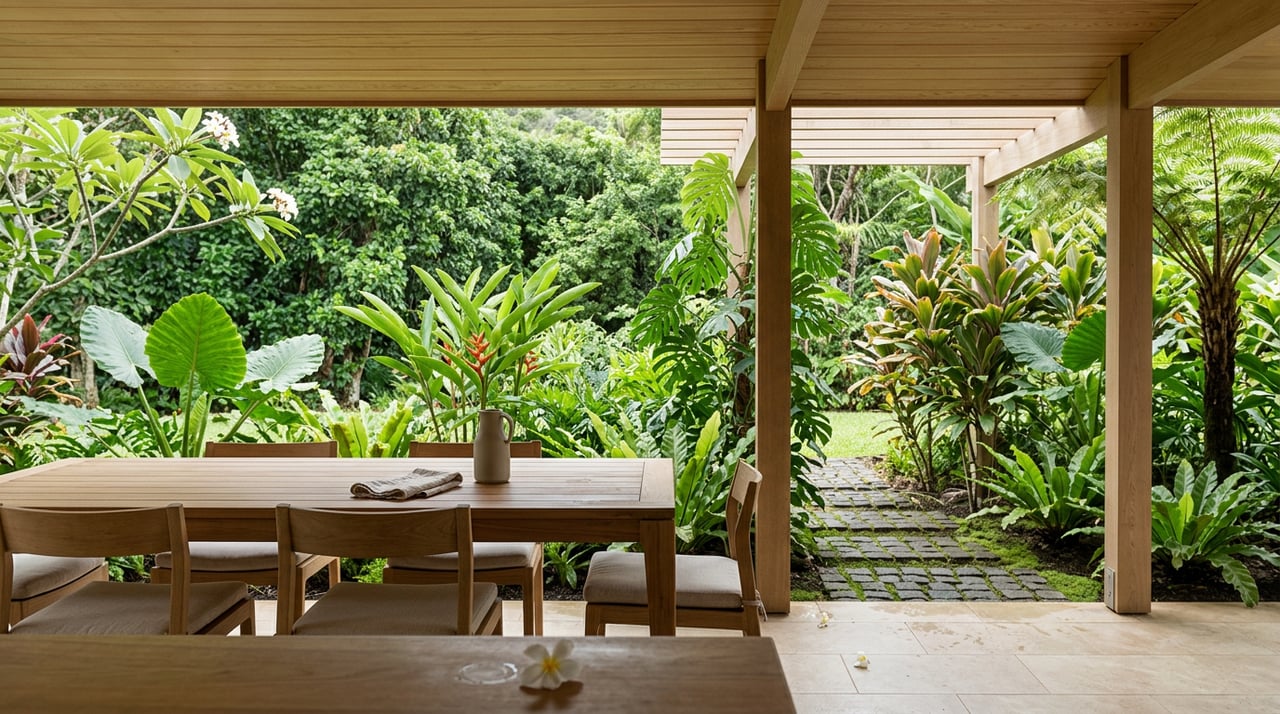
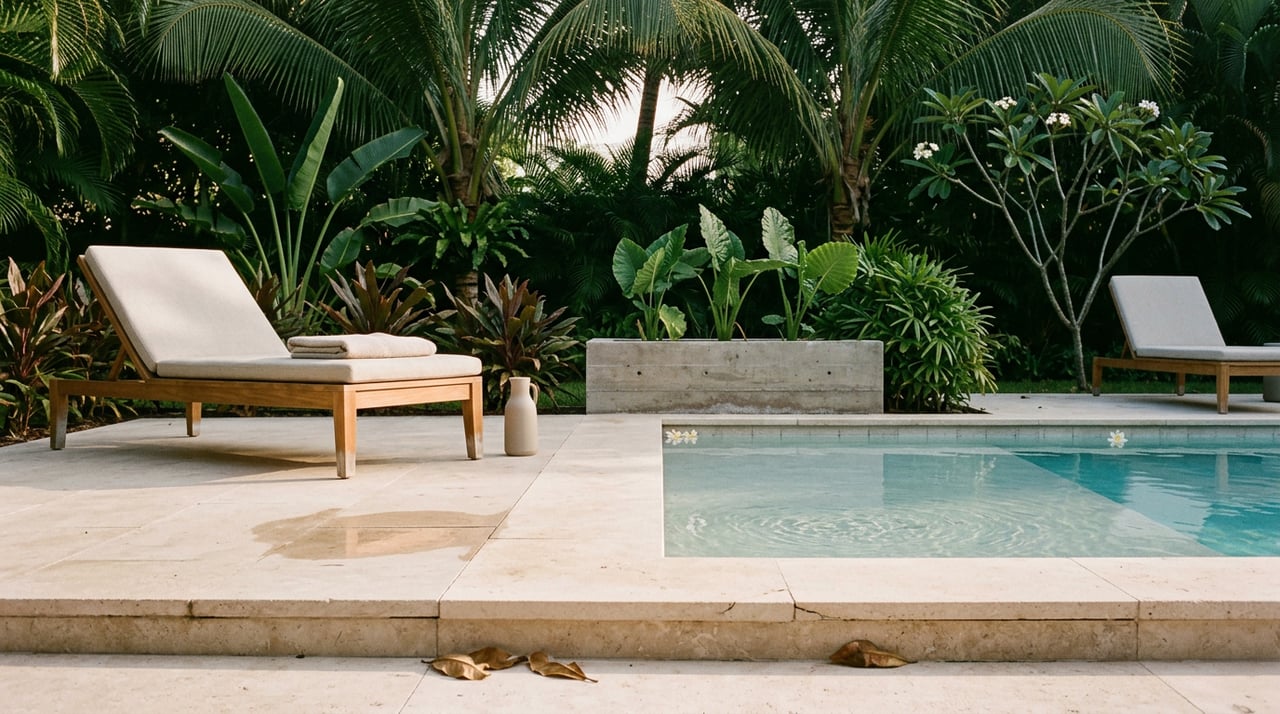
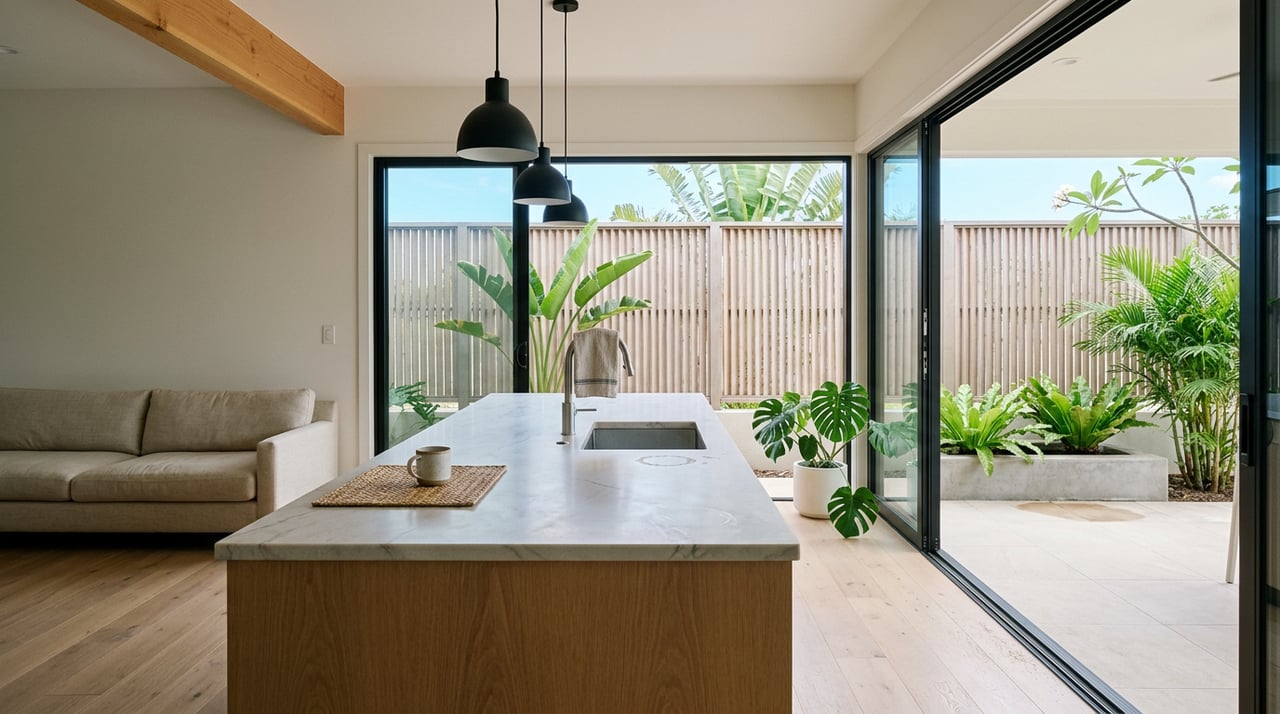
One reason buyers are drawn to Waialae-Nui Valley is simple: the setting often creates a strong sense of openness. Listing descriptions in the area frequently mention ocean, city, Diamond Head, mountain, valley, sunrise, or sunset views, along with natural light and lanai living. Still, those view lines can change a lot depending on the street, elevation, orientation, and even floor level.
Breezes are another major lifestyle benefit. Hawaiʻi’s prevailing trade winds are generally northeasterly, and the strongest, most persistent trade-wind pattern usually shows up in summer, with typical speeds around 10 to 25 mph. Because Oʻahu’s topography creates localized microclimates, a home mauka of the highway may feel cooler or more comfortable thanks to elevation, shade, and air movement.
That said, this is still Honolulu weather. NOAA climate normals for Honolulu show warm conditions year-round, with an annual mean daily high of 84.6°F and an annual mean daily low of 71.5°F. So while hillside placement may improve comfort, you are still living in a warm island climate.
A big advantage of this area is the balance between privacy and convenience. The City notes that older residential streets in these neighborhoods are often narrower, quieter, and less traffic-oriented than wider roadways. In practice, that can make many pockets of Waialae-Nui Valley feel calm and residential.
Some homes and projects are located on interior streets or near dead ends, which can add to the sense of being tucked away. At the same time, Waialae Avenue connects residents to a major shopping and errand corridor, including the Kahala Mall area. That means you may enjoy a more private setting without feeling far from daily necessities.
Noise tends to be very location-specific. Properties closer to busier access points may experience more traffic sound or headlight glare, while homes deeper in the valley may feel notably quieter. In a hillside neighborhood like this, one block can feel very different from the next.
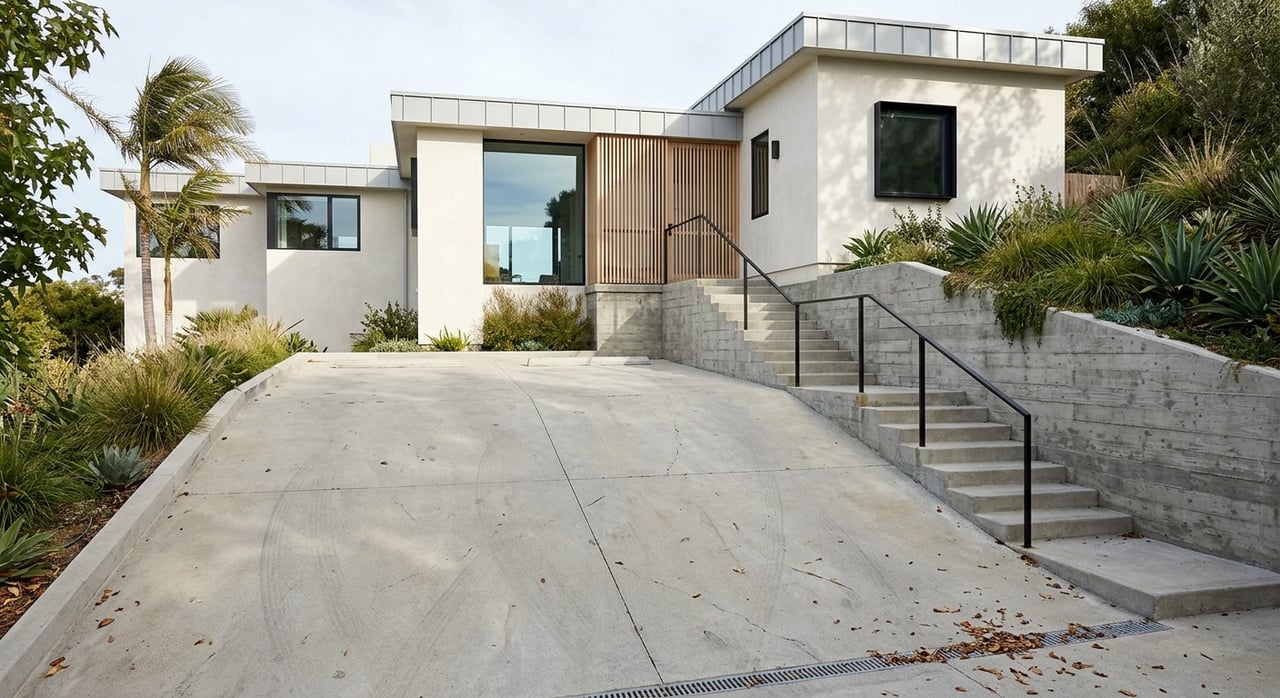
The trade-off with hillside living is that the terrain matters. The City identifies steep slopes in mauka neighborhoods as a concern because they can create visual impacts and, in some cases, hazardous conditions. For you as a buyer, that means looking beyond the view and paying close attention to how the lot actually functions.
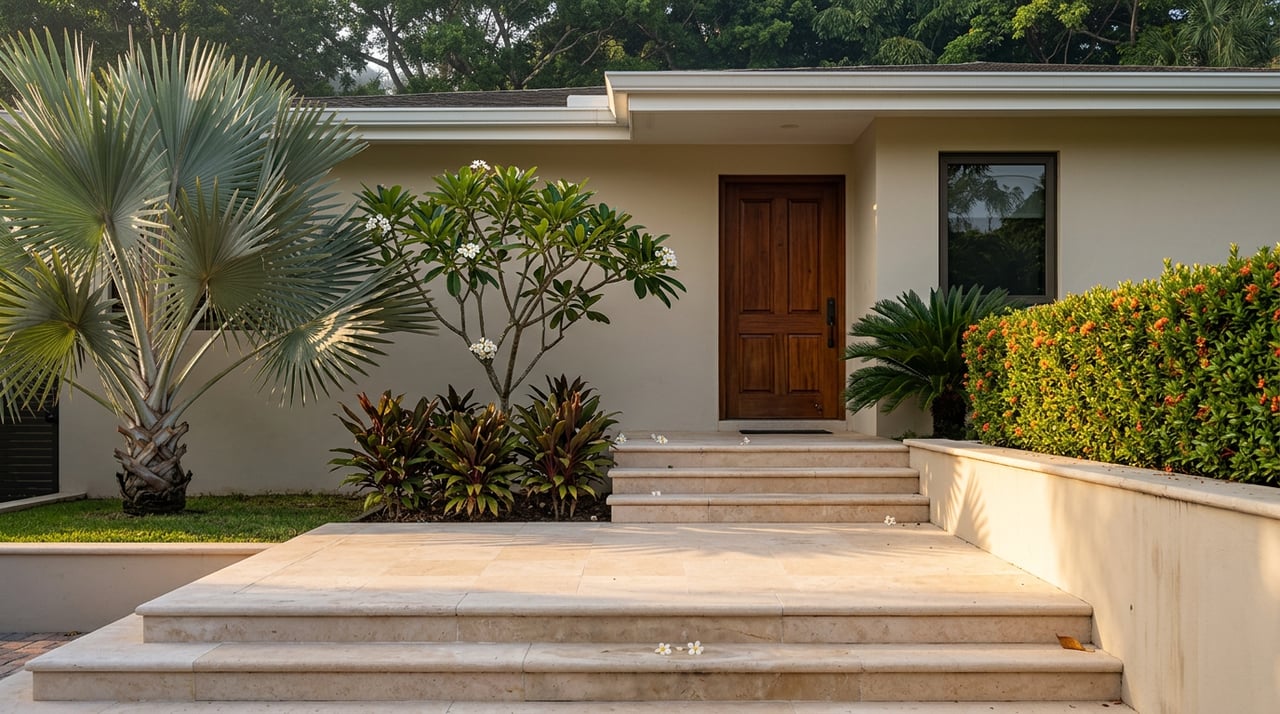
A beautiful home can still come with a steep driveway, a long set of stairs from parking to the front door, or retaining walls that need ongoing care. Drainage also deserves a close look, especially on sloped sites. These are not necessarily deal-breakers, but they are part of the real cost and convenience of living on a hillside.
This is where in-person observation matters. You want to know what it feels like to carry groceries inside, greet guests, bring in luggage, or move around the property in wet weather. A home that looks ideal online may feel very different once you walk the route from the street to the entry.
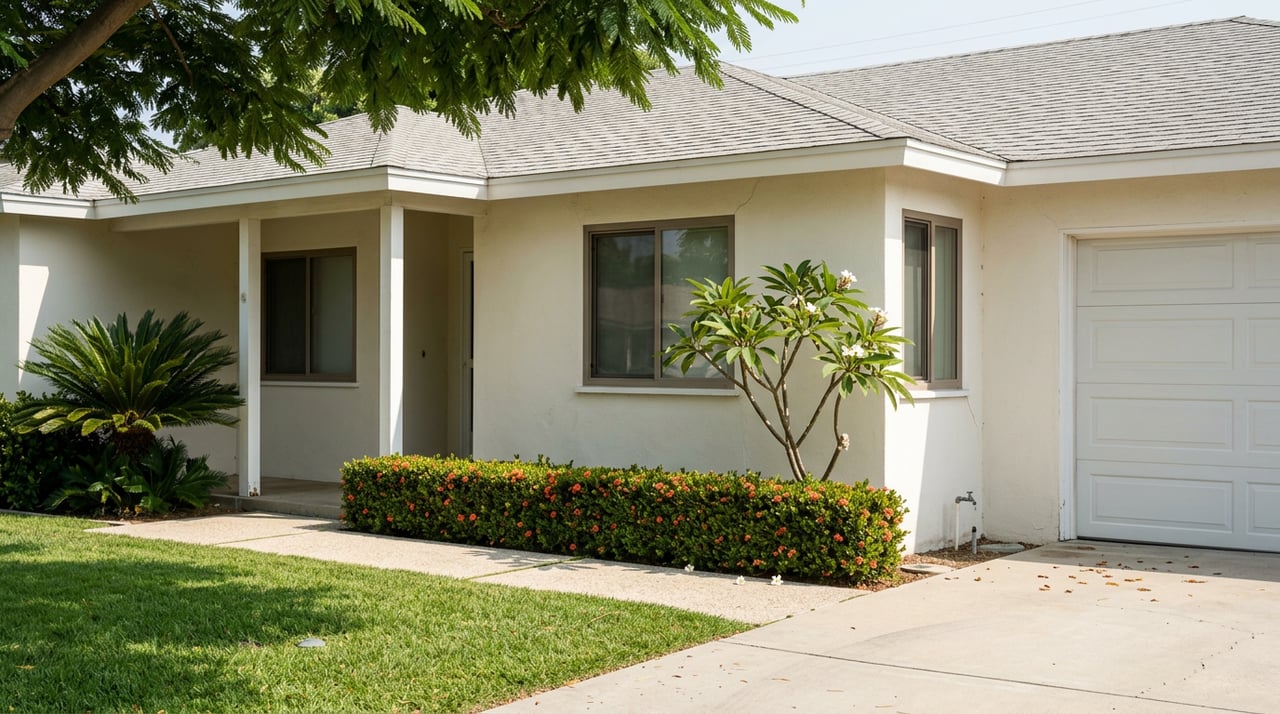
Parking is one of the biggest practical questions in hillside neighborhoods. The City notes that larger dwellings can increase demand for off-street parking, and local properties show a wide mix of parking arrangements. Depending on the property, you may find driveway parking, garages, two-car garages, assigned condo stalls, tandem setups, or a greater reliance on street parking.
Some hillside projects were built with off-street parking in mind. A historical Real Estate Commission report for Waialae Gardens noted 173 parking stalls for 132 apartments, which shows that parking can be a built-in strength in certain developments. Even so, the exact setup still matters because ease of parking affects daily comfort for you and your guests.
When touring a property, look at more than the number of spaces. Think about turning radius, guest parking, whether the driveway requires careful maneuvering, and how easy it is to unload from the car to the home. On a hillside, parking convenience is often a larger quality-of-life issue than buyers first expect.
Waialae-Nui Valley can work for different buyers, but access is not one-size-fits-all. Some properties are single-level or offer layouts with easier access and fewer stairs. Others may have split-level interiors, exterior walkways, stair-heavy entries, or homes set down from the street.
That is why mobility fit should be evaluated property by property. If stairs, grade, or entry access are important to your household, it is worth checking every transition point carefully. The route from parking to front door may matter just as much as the floor plan itself.
A helpful way to think about it is this: hillside living is highly personal. One buyer may love a terraced lot and elevated lanai, while another may prefer a home with flatter access and simpler circulation. The best match depends on how you plan to live in the space every day.
If you are seriously considering a home in Waialae-Nui Valley, a focused property walk-through can tell you a lot. In this neighborhood, small details often have a big impact on long-term comfort.
Here are some smart questions to ask as you tour:
These questions help you move past the headline features and focus on everyday livability. In a hillside neighborhood, the right fit usually comes down to how well the property supports your routine, not just how it looks in photos.
The appeal of Waialae-Nui Valley is real. You may get breezes, outlooks, natural light, and a more tucked-away residential feel while staying close to the conveniences of Waialae Avenue and the broader Kahala area. For many buyers, that combination is exactly what makes hillside living so attractive.
The trade-off is just as real. You are often balancing those benefits against more slope, more street-by-street variation, and more attention to parking, access, and exterior upkeep. In other words, the lifestyle can be wonderful, but the details matter.
That is where local guidance becomes especially valuable. If you want help comparing streets, access patterns, and property layouts in Waialae-Nui Valley, connect with Chelsey Flanagan for knowledgeable, neighborhood-focused support.
Stay up to date on the latest real estate trends.
From personalized search criteria, email updates for new or changed listings, community and school demographics, satellite map searches to free market reports, forms, and updated real estate news. Feel free to contact me and I will be happy to help you with all your real estate needs.