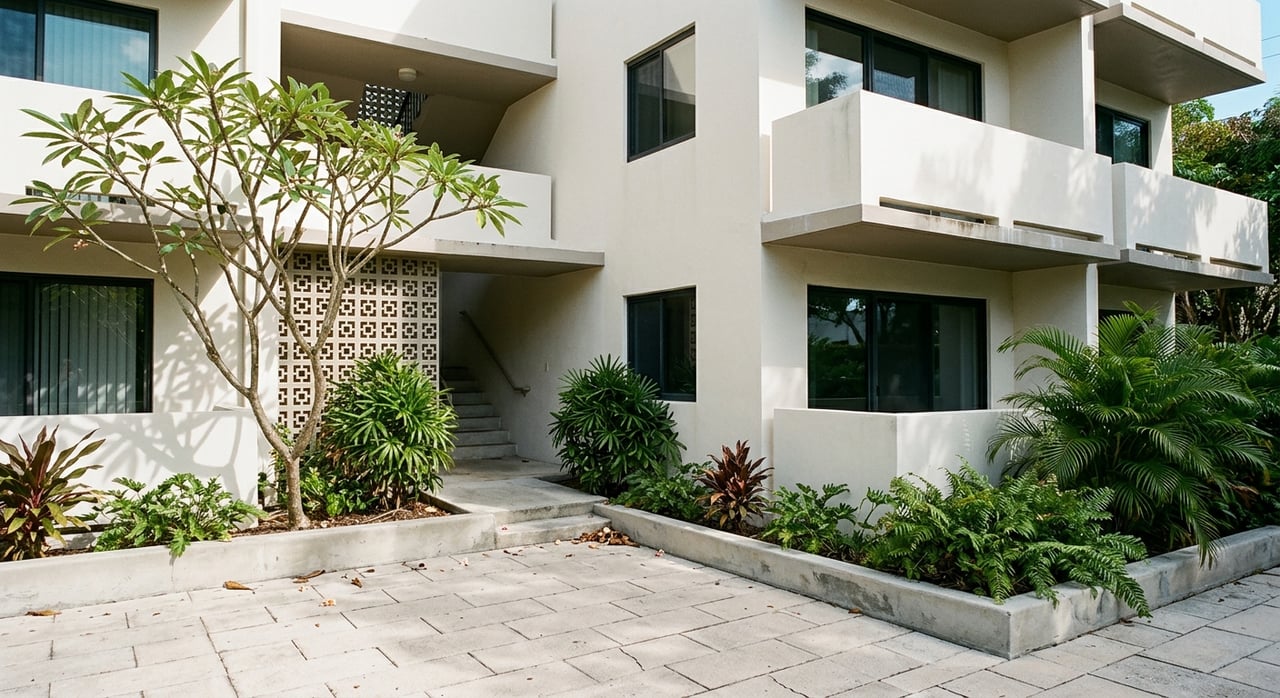
Kaimuki or Moiliili for First-Time Home Buyers
May 28, 2026
May 28, 2026
Buying your first home near town can feel like a tug-of-war between budget, lifestyle, and long-term fit. You may love the idea of a neighborhood with character, but you also need a price point and daily routine that make sense. If you are deciding between Kaimukī and Mōʻiliʻili, this guide will help you compare the tradeoffs clearly so you can choose with more confidence. Let’s dive in.
For many starter-home buyers, the biggest difference is simple: Kaimukī tends to offer more single-unit character at a higher price, while Mōʻiliʻili tends to offer more convenience and lower entry points through condos. Neither neighborhood is better across the board. The right fit depends on how you want to live and what you can comfortably afford.
The data in current neighborhood and ZIP-level reports points in the same direction. Kaimukī looks more ownership-oriented, while Mōʻiliʻili shows a much stronger condo presence and a lower median listing price. That makes this comparison especially useful if you are balancing monthly costs with everyday convenience.
Kaimukī’s 96816 ZIP profile shows 19,867 housing units, with 63% owner-occupied units and 74% single-unit structures. The median value of owner-occupied homes is $1,168,800. Realtor.com’s Kaimukī neighborhood summary also shows a median listing price of $1.498 million.
That combination suggests a market where detached homes and ownership are a bigger part of the neighborhood story. If you picture a starter home as a house with its own distinct feel, Kaimukī may line up with that goal. The challenge, of course, is the higher price tag.
Mōʻiliʻili tells a very different affordability story. In ZIP 96826, the median value of owner-occupied housing is $507,200, and Realtor.com’s McCully-Mōʻiliʻili neighborhood summary shows a median listing price of $408,000. That is a major gap compared with Kaimukī.
Current inventory also points strongly toward condo living. Redfin’s 96826 condo page showed 173 condos, 1 townhouse, and 3 multi-family units for sale, which makes the starter-home market here look heavily condo-led. If your top priority is getting into the market at a lower price, Mōʻiliʻili will likely give you more options.
If you want to handle errands without driving much, Mōʻiliʻili has the clearer edge. Walk Score rates McCully-Mōʻiliʻili at 91 for walkability, 66 for transit, and 89 for biking. It is described as the second most walkable neighborhood in Honolulu.
ZIP-level data supports the same idea. Walk Score rates 96826 at 88 and describes it as one of Honolulu’s most walkable ZIP codes. For a first-time buyer, that can mean a simpler day-to-day routine and less dependence on a car.
Kaimukī is still walkable by Honolulu standards, but not at the same level. Walk Score rates Kaimukī at 58 for walkability, 50 for transit, and 36 for biking. You may still enjoy walking to nearby spots, but it is less of a fully car-light environment.
That difference matters more than many buyers expect. If your ideal day includes easy access to shops, dining, and transit from your front door, Mōʻiliʻili may feel more practical. If you are comfortable trading some convenience for a different housing mix and neighborhood identity, Kaimukī may still be worth the premium.
UH Mānoa is located at 2500 Campus Road and 2444 Dole Street in Honolulu, and the official campus information notes access from H-1 via University Avenue. TheBus also stops on campus at Sinclair Circle and other locations. Based on that location and Mōʻiliʻili’s stronger walkability and transit scores, Mōʻiliʻili is the more natural fit for buyers who expect regular trips to campus.
That could matter if your work, classes, or household routine connects to the university often. You may not need to build your week around driving and parking. For many first-time buyers, that convenience becomes part of the value equation.
Kaimukī is still close enough to be practical for UH-related commuting. It is simply less campus-adjacent in everyday feel. If you only need to get to UH occasionally, that may not be a major drawback.
This is a good example of how your lifestyle should shape your home search. A neighborhood does not have to be closest on the map to be the best fit, but regular routines should guide your decision.
Kaimukī has a well-known identity as a dining and small-business district. Honolulu Magazine describes it as one of Honolulu’s hottest neighborhoods for dining at local eateries and shopping small. The same coverage also notes that parking can be challenging.
Another Honolulu Magazine feature characterizes Kaimukī as a walking community with a downtown-like atmosphere and a growing concentration of food businesses. If you want a neighborhood with an established local restaurant scene and a distinct street-level personality, Kaimukī may stand out.
Mōʻiliʻili reads as more everyday practical. Honolulu Magazine’s neighborhood coverage highlights tea cafés, bookstores, pottery, ethnic markets, and other neighborhood businesses. Recent Redfin listings in 96826 also describe convenience to coffee shops, local eateries, shopping, public transit, and UH Mānoa.
That creates a different kind of appeal. Rather than feeling like a destination dining area, Mōʻiliʻili often feels like a place where you can step outside and take care of daily life with less effort.
Kaimukī may be the better fit if you are looking for:
A useful shorthand is that Kaimukī buys more house character. For some buyers, that feel is worth stretching for if the numbers still fit comfortably.
Mōʻiliʻili may be the better fit if you are looking for:
Another helpful shorthand is that Mōʻiliʻili buys more convenience per dollar. If your goal is to enter the market with flexibility and stay close to the urban core, that can be a smart path.
When you compare Kaimukī and Mōʻiliʻili, try to focus less on labels and more on tradeoffs. Ask yourself whether your top priority is a more traditional single-unit environment or a lower-cost, condo-driven neighborhood with stronger walkability. That answer will usually point you in the right direction.
It also helps to think one or two years ahead. Your first home does not have to check every box forever, but it should support the way you plan to live now. A neighborhood that fits your budget, commute, and daily habits can make your first purchase feel much more sustainable.
If you want local guidance on weighing these tradeoffs in Honolulu, Chelsey Flanagan brings broker-level experience, neighborhood insight, and a relationship-first approach to help you find the right fit.
Stay up to date on the latest real estate trends.
From personalized search criteria, email updates for new or changed listings, community and school demographics, satellite map searches to free market reports, forms, and updated real estate news. Feel free to contact me and I will be happy to help you with all your real estate needs.