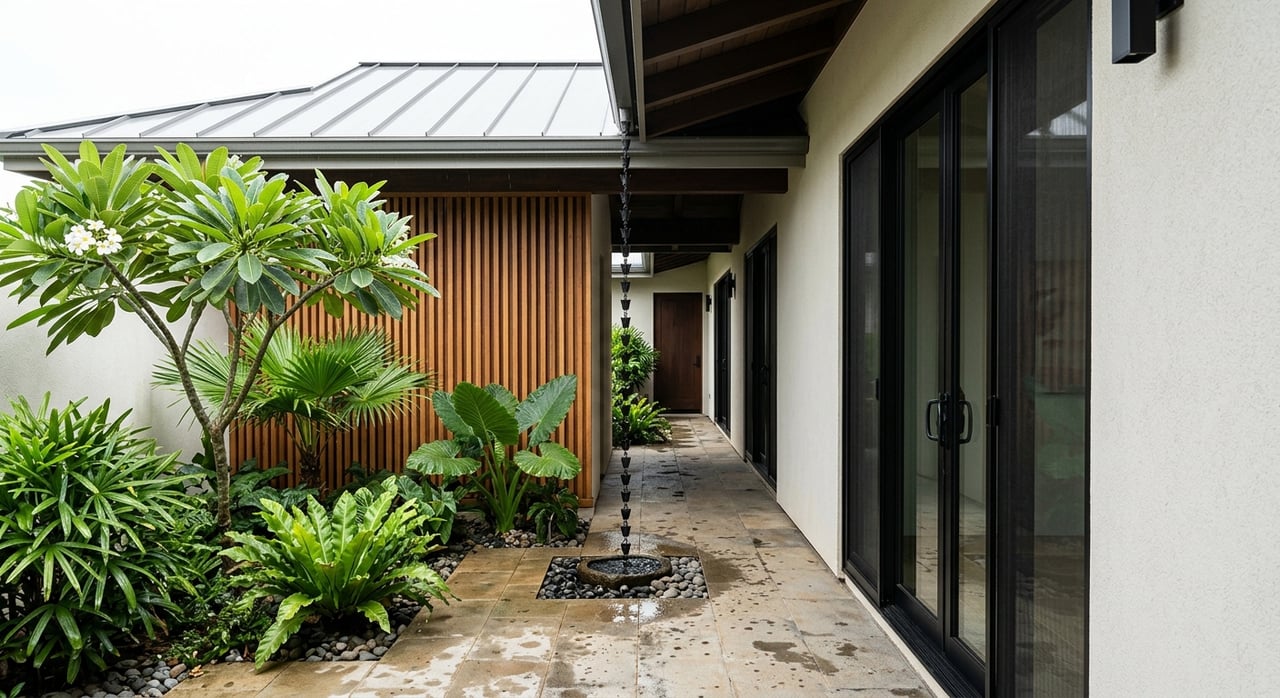
How Southeast Oahu Microclimates Shape Your Home Search
May 7, 2026
May 7, 2026
Wondering why one home in southeast Oʻahu feels breezy and bright while another just a few miles away feels cooler, wetter, or more humid? In 96825 and the surrounding southeast Honolulu area, microclimates can shape your daily comfort just as much as price, layout, or commute time. If you understand how local wind, rainfall, and exposure change from one area to the next, you can make a smarter home search and avoid surprises after closing. Let’s dive in.
Southeast Oʻahu is not one single climate zone. Official climate sources for Hawaiʻi point to a mix of trade winds, topography, and local atmospheric conditions that create major differences in rainfall, wind, humidity, cloud cover, and temperature across short distances.
For you as a buyer, that means the feel of a home can change quickly from ridge to valley to coast. More exposed lots often feel breezier, sheltered valley homes may feel cooler and wetter, and coastal flats can feel warmer and more exposed to salt air.
The main driver is the interaction between Hawaiʻi’s northeasterly trade winds and the island’s terrain. Mountains, ridges, slopes, and valleys all influence how air moves and where moisture collects.
That is why two homes in the same general area can live very differently. One property may get steady airflow and dry out faster, while another may hold more moisture and feel calmer or more humid.
While every street and lot is different, the broader patterns in southeast Honolulu can help you narrow your search.
Mānoa is one of the clearest examples of a wetter valley microclimate. The State of Hawaiʻi Data Book 2024 lists Mānoa at Lyon Arboretum, elevation 500 feet, with a 30-year annual rainfall normal of 151.0 inches.
That same source shows average temperatures of 68.8°F in its coolest month and 73.8°F in its warmest month. Those figures are lower than the nearby airport benchmark in the same table, which helps explain why Mānoa often feels cooler and greener than drier parts of southeast Honolulu.
Hawaii Kai is much drier than Mānoa, but conditions still vary from one section to another. Government project studies place annual rainfall at roughly 30 inches on the coast, about 20 to 30 inches along the Kuliouou to Hawaii Kai coastline, and about 35 to 40 inches in lower Kalama Valley.
One Hawaii Kai study also describes average temperatures of 74.9°F in January and 80.9°F in September, with trade winds dominant much of the year and humidity generally in the mid-60s to mid-70s. If you are searching in 96825, this is a helpful reminder that even within Hawaii Kai, exposure and setting matter.
ʻĀina Haina tends to fall between wetter valley settings and drier coastal flats. A state project assessment for a Wailupe Valley reservoir site describes a mild semi-tropical climate with average temperatures around 70°F in February and 77°F in August.
That same report notes annual rainfall around 42 inches, with northeast trade winds and wetter months from November through March. For many buyers, this kind of middle-ground climate can offer a balance of greenery, warmth, and airflow.
Kahala is often treated as one of the drier coastal pockets in southeast Honolulu. A state environmental assessment describes the area as sunny and relatively dry, with sandy soils over coral reef, low typical rainfall, and vulnerability to salinity.
That matters because a drier climate can feel attractive day to day, but coastal exposure may bring its own maintenance needs. Salt air and moisture can be hard on exterior hardware, fixtures, and metal components over time.
When you tour homes, climate is not just a background detail. It can influence whether you like to open your windows in the afternoon, how a room feels at night, and how much humidity you notice in closets, bathrooms, or lower levels.
If you enjoy natural ventilation and a breezier feel, you may be drawn to more exposed ridge or slope locations. If you prefer cooler evenings, lush surroundings, or a more sheltered setting, a valley location may still be the better fit, even if it comes with more moisture.
Humidity plays a major role in how comfortable a home feels. The EPA advises keeping indoor humidity below 60 percent when possible, because moisture control is key to mold prevention.
The U.S. Department of Energy also notes that even correctly sized air conditioners can struggle to control humidity in very humid climates. In practical terms, that means a home in a wetter valley or humid coastal setting may need more attention to ventilation, dehumidification, and airtightness than a breezier property.
A home’s microclimate can affect upkeep just as much as comfort. Asking the right questions early can help you avoid expensive surprises later.
In wetter pockets, pay close attention to roofs, gutters, windows, closets, and under-house areas. The EPA recommends fixing leaks quickly, maintaining ventilation, and keeping indoor humidity in check, since repeated dampness can lead to recurring mold.
Oʻahu’s wetter season generally runs from about October through April. Because of that, drainage and roof runoff deserve a careful look before and during the winter storm season.
Near the ocean, salt exposure becomes a bigger issue. The National Park Service notes that salty air, oxygen, and moisture are the main causes of metal corrosion in coastal environments.
For you, that may show up in railings, garage hardware, exterior fasteners, light fixtures, or other metal components aging faster than expected. In drier coastal pockets like Kahala, lower rainfall does not eliminate the wear that salt air can cause.
Most buyers start with budget, size, and location. In southeast Oʻahu, it also helps to rank your climate preferences before you compare homes too closely.
Think about which of these tradeoffs matter most to you:
Those preferences often line up with exposed ridges or slopes, valley settings, and coastal flats. Once you know what feels right to you, it becomes easier to focus on homes that match your day-to-day lifestyle.
As you tour homes in 96825 and nearby southeast Oʻahu neighborhoods, use climate-specific questions to sharpen your decision.
A home that catches the trade winds may feel more comfortable naturally. Ask whether the property is exposed to prevailing winds or tucked into a more sheltered setting.
Try to understand whether the lot tends to stay breezier and drier or calmer and more humid. This can affect how often you rely on air conditioning, fans, or dehumidifiers.
It is reasonable to ask about leaks, mold, drainage problems, or areas that stay damp after heavy rain. Those details can tell you a lot about how the property performs in its specific microclimate.
For coastal homes, ask whether salt exposure has affected railings, hardware, fasteners, or exterior systems. Even a beautiful ocean-close setting can come with a different maintenance rhythm.
A home should fit its environment. Ask whether the property has enough air conditioning, ventilation, or dehumidification for the conditions it experiences most of the year.
Microclimates are one of the reasons southeast Oʻahu home searches can feel more complex than they first appear. A home’s block, elevation, exposure, and distance from the coast can all shape how it lives over time.
That is where local, neighborhood-level guidance becomes valuable. When you work with someone who understands how Hawaii Kai, ʻĀina Haina, Kahala, and nearby areas differ in real life, you can compare homes more clearly and choose a property that fits both your lifestyle and your maintenance expectations.
If you’re planning a move in southeast Oʻahu, Chelsey Flanagan can help you look beyond the listing photos and focus on how a home will actually live day to day.
Stay up to date on the latest real estate trends.
From personalized search criteria, email updates for new or changed listings, community and school demographics, satellite map searches to free market reports, forms, and updated real estate news. Feel free to contact me and I will be happy to help you with all your real estate needs.