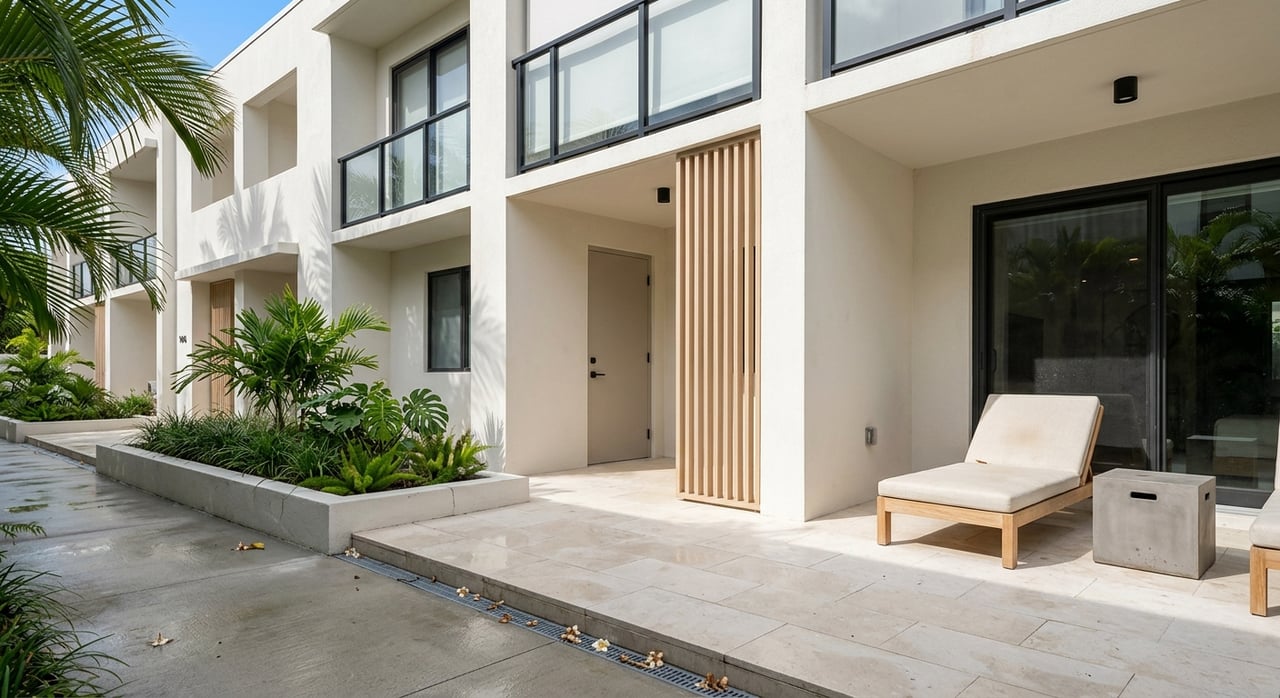
Hawaii Kai Townhome vs House: Weighing the Tradeoffs
April 2, 2026
April 2, 2026
If you are deciding between a single-family home and a townhome in Hawaii Kai, you are really deciding how you want to live day to day. Price matters, of course, but so do privacy, maintenance, marina access, and how much control you want over your property. In a market as unique as Hawaii Kai, those tradeoffs can feel bigger than they do in many other parts of Oʻahu. This guide will help you compare the key differences so you can make a more confident decision. Let’s dive in.
Hawaii Kai is not just another coastal neighborhood. According to the Hawaii Kai Marina Community Association, it is the only Oʻahu community with a large private inland body of water where residents can live and reach the ocean by boat.
That marina lifestyle changes the home search in a real way. Some properties offer direct dock access, while others give you water proximity without the added rules, dues, and maintenance that can come with marina frontage.
For many buyers, that is where the choice starts to sharpen. You are not only comparing detached versus attached housing. You are also weighing whether you want direct access, regulated shared use, or simply the convenience of living near the water.
One of the clearest differences between single-family homes and attached housing in Hawaii Kai is the entry price. Local market updates from the Honolulu Board of REALTORS® show a wide gap between detached and attached housing in the area.
In January 2024, the median sale price in Hawaii Kai was $1,675,000 for a single-family home and $774,000 for a condo. In March 2024, the medians were $1,606,500 for single-family homes and $730,000 for condos, according to the local market report.
That does not mean one option is always better than the other. It means attached homes often offer a lower entry point if you want to be in Hawaii Kai, while detached homes usually require a much larger upfront investment.
Detached homes in Hawaii Kai also tend to move quickly. In the July 2025 Oʻahu market report, median days on market islandwide were 20 for single-family homes and 50 for condos. The same report noted that Hawaii Kai had the fastest-moving single-family homes on Oʻahu, with a median of just 8 days on market, and that Hawaii Kai was also one of the few condo regions with median days on market at or below 30 days in June 2025, based on the Honolulu Board of REALTORS® market data.
The practical takeaway is simple. Single-family homes in Hawaii Kai often come with stronger urgency and a higher price premium, while townhomes and condos can still hold strong appeal but may depend more heavily on the specific project, its fees, and its condition.
If you value privacy and control, a single-family home may feel like the better fit. Honolulu’s community survey distinguishes detached homes from attached housing by whether walls, upper units, or lower units are shared, making detached housing the more private option on average, based on the City and County of Honolulu survey definitions.
That privacy often comes with more flexibility, too. In a detached home, you are generally making more of your own decisions about maintenance timing, exterior care, and how you use your property, subject to any applicable community rules.
For some buyers, that autonomy is the biggest advantage. If you want space, fewer shared walls, and less dependence on an association for major decisions, a single-family home may line up better with your goals.
The tradeoff is that detached ownership puts more responsibility directly on you. Exterior upkeep, repair planning, and long-term capital costs do not get spread across a building association in the same way they often do with attached housing.
That can matter even more on marina frontage. The Hawaii Kai Marina Community Association states that seawall maintenance, repair, and replacement are the responsibility of the individual single-family owner, condo association, or shopping center depending on the frontage, as explained on the marina association website.
If you are considering a waterfront detached home, that detail deserves close attention. A home may offer direct marina access and a private feel, but it can also come with seawall obligations, dock rules, and annual marina dues.
Townhomes and other attached homes appeal to buyers who want a more accessible price point and less direct exterior maintenance. In Hawaii Kai, that can be a meaningful benefit given the large gap between detached and attached median prices.
Attached ownership can also simplify certain parts of day-to-day upkeep. Depending on the project, the association may handle some common-area maintenance and long-term building items, which can reduce the number of issues you manage on your own.
For many buyers, that convenience is worth the tradeoff. If your priority is getting into Hawaii Kai with a lower upfront cost and a more shared maintenance structure, a townhome may make more sense.
The main caution with attached housing is that lower entry price does not always mean lower monthly cost. The Consumer Financial Protection Bureau notes that HOA dues are usually paid separately from the mortgage and can range from a few hundred dollars to more than $1,000 per month, according to its guidance on HOA fees.
That issue is especially relevant in Hawaiʻi. The UHERO 2025 Hawaiʻi Housing Factbook found that the state’s average HOA fee in 2021 was $762 per month and that Hawaii Kai was among the Honolulu ZIP codes with substantial HOA fee increases in its 2024 to 2025 sample. The factbook also notes that rising condo insurance costs have been pushing HOA fees higher.
In other words, attached homes may lower the purchase price but increase the importance of monthly budgeting. You want to look beyond the mortgage payment and understand the full cost of ownership.
In many neighborhoods, the detached-versus-attached choice is mostly about price, privacy, and maintenance. In Hawaii Kai, marina access adds another layer.
The Hawaii Kai Marina Community Association says waterfront residents may install or modify docks only with marina-manager approval. It also notes that boat slips are available for rent at Koko Marina Center, and marina rules limit wake, speed, boat size and operation, and guest use, as outlined on the association’s marina information pages.
That means direct marina access can be valuable, but it is not unlimited or purely personal. If boating is central to your lifestyle, it is important to confirm whether a property has dock rights, what approvals may be required, and what ongoing rules or dues apply.
This is one of the most useful questions you can ask yourself: Do you want direct marina access or just proximity to the water?
If you want to keep a boat close to home, a property with legal dock access may be worth the extra cost and responsibility. If you mainly want the views, breezes, and coastal setting, a townhome or condo near the marina may give you much of the lifestyle without putting as much maintenance on your plate.
There is no universal right answer. The best choice depends on how often you expect to use the marina and how comfortable you are with the rules that come with it.
When buyers compare a single-family home and a townhome, it helps to separate the costs into two categories: predictable monthly costs and less predictable ownership costs.
With a townhome, the predictable monthly cost often includes HOA dues. Those dues may cover certain shared expenses, but you still need to understand whether they are stable, rising, or vulnerable to future assessments.
With a single-family home, your monthly fees may look simpler, but the property can still require larger repair costs over time. In a marina setting, that could include seawall work or other exterior issues that fall directly on the owner.
If you are considering a townhome or condo-style property, reserve planning matters. Hawaii’s Department of Commerce and Consumer Affairs explains in its condominium FAQ that many buyers can handle a mortgage and monthly maintenance fee but not a large special assessment, which is why reserve funding is so important.
That same guidance also points buyers to the declaration and other governing documents so they can understand which parts of the property are considered common elements. That can affect both your ownership experience and future costs.
A healthy reserve structure does not guarantee there will never be added costs. It does, however, give you a better framework for evaluating whether an attached property has been planned for responsibly.
Before you decide, focus on the tradeoffs that affect your daily life most:
If you answer those questions honestly, the right path often becomes much clearer.
A single-family home in Hawaii Kai may be the better fit if you want more privacy, more control, and are prepared for a higher purchase price and more direct upkeep. These homes also tend to move quickly, which can matter if you are shopping in a competitive window.
A townhome may be the better fit if you want a lower entry point into Hawaii Kai, prefer a more shared maintenance structure, and are comfortable reviewing association finances, rules, and fees in detail.
In both cases, Hawaii Kai offers a lifestyle that is shaped by its coastal location and marina setting. The key is to choose the ownership style that supports how you want to live, not just what looks best on paper.
If you are weighing these tradeoffs and want local guidance tailored to your goals in Hawaii Kai, Chelsey Flanagan can help you compare options with clear, practical insight.
Stay up to date on the latest real estate trends.
From personalized search criteria, email updates for new or changed listings, community and school demographics, satellite map searches to free market reports, forms, and updated real estate news. Feel free to contact me and I will be happy to help you with all your real estate needs.